Haiti
Country stats
- Capital: Port-au-Prince
- Population: 11.9 million
- People requiring humanitarian aid: 6.4 million
Concern’s response
- Haiti program launched: 1994
- Program areas: Climate & Environment, Emergency Response, Livelihoods, WASH
Why are we in Haiti?
Haiti is currently in the middle of an ever-intensifying humanitarian crisis that includes political instability, widespread violence, displacement, natural disasters, and extreme hunger. As the situation continues to deteriorate, half of the country’s population requires humanitarian assistance.
Half of all Haitians require humanitarian assistance in 2026
The ongoing crisis in Haiti sees occasional headline moments in the media when the political deadlock or the escalation of violence are at their most intense, or when yet another foreign military force intervenes.
However, there is much more at stake beyond the headlines. A weakened infrastructure and political instability have left many hospitals and clinics out of service while diseases like cholera spread at a rapid rate and hunger levels reach new heights. The burden of this crisis — and those that came before it — is being felt by Haiti’s most vulnerable citizens. 6.4 million Haitians, more than half of the country’s population, will require humanitarian assistance in 2026.
Despite these ongoing challenges, Concern Haiti has adapted its work and approaches to provide a lifeline of support when it’s most needed.
Latest achievements
Emergency response
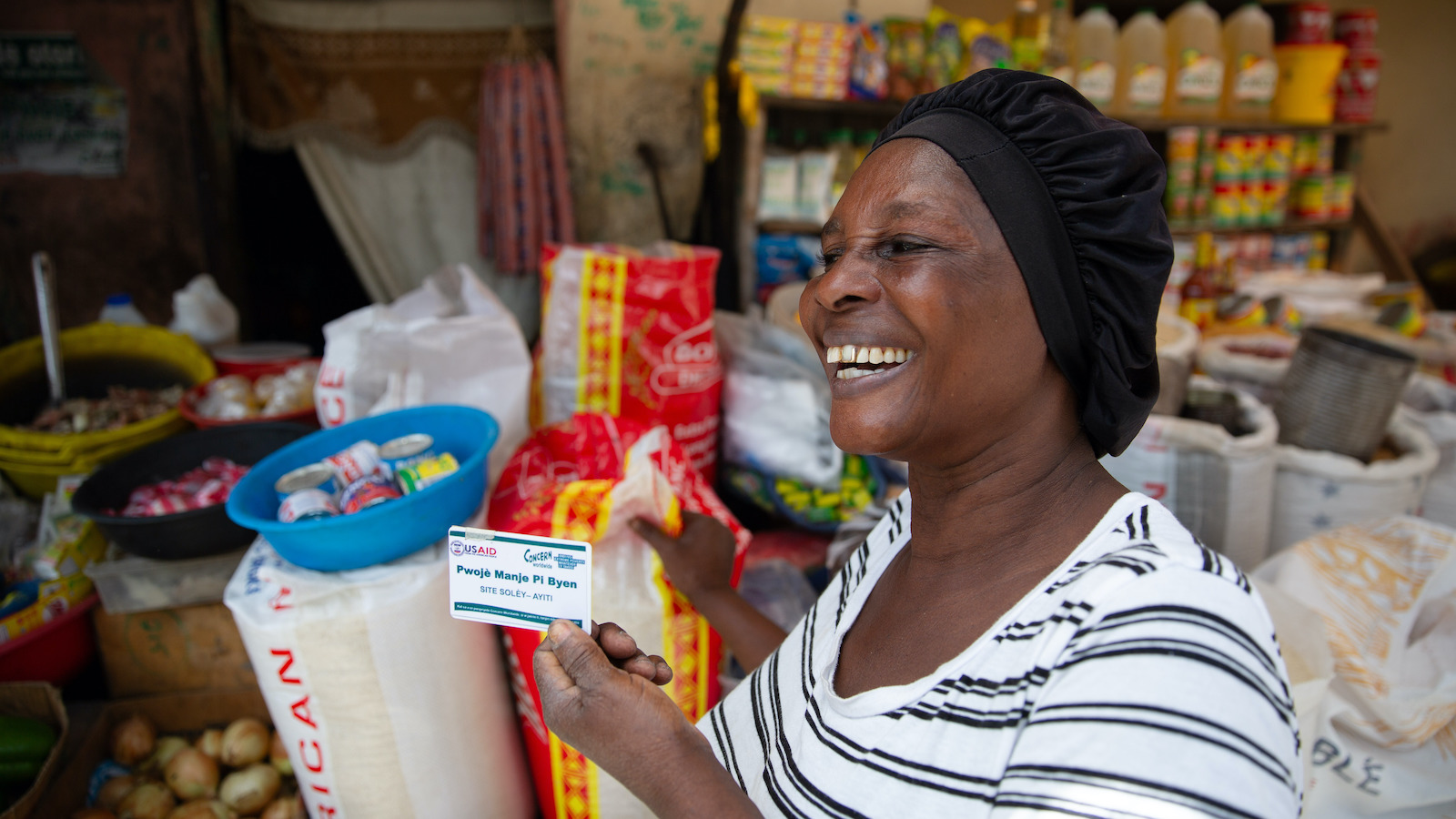
Concern’s ongoing Manje Byen: Lespri ak Ko Djanm (“Eat Well: Strong Body and Mind”) project in Haiti was able to bridge urgent needs with long-term resilience-building last year, reaching over 20,000 people with emergency food assistance, protection, and WASH services.
Partnerships
We have eight active partnerships with Haitian civil society organizations. In 2025, we granted over $435,000 to these partners, and also worked with community-based groups (particularly youth groups).
Protection
In 2025, Concern extended our intervention to additional internal displacement sites in Port-au-Prince in order to reach more people with key information about services provided to survivors of violence against women and girls.
Our work in Haiti
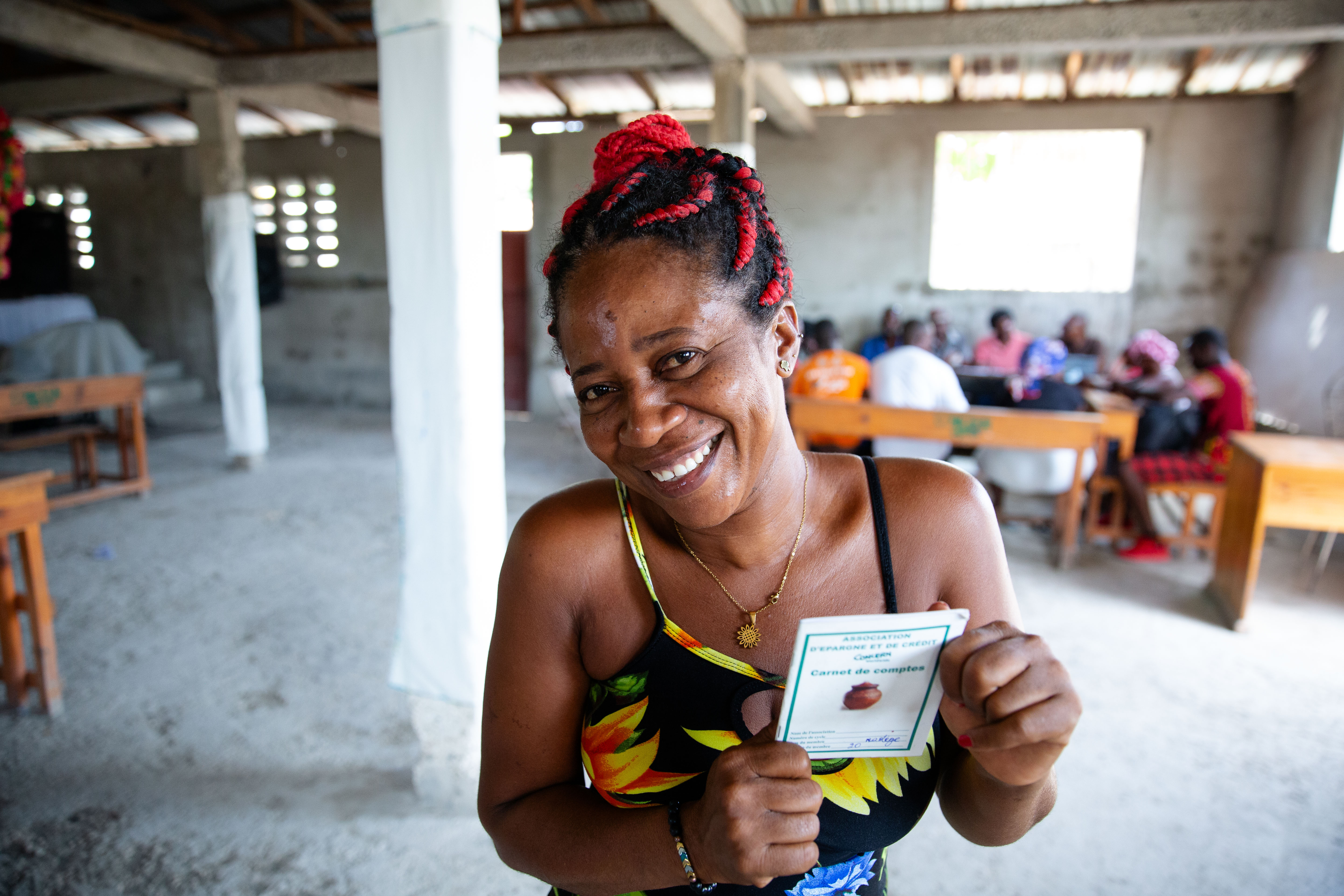
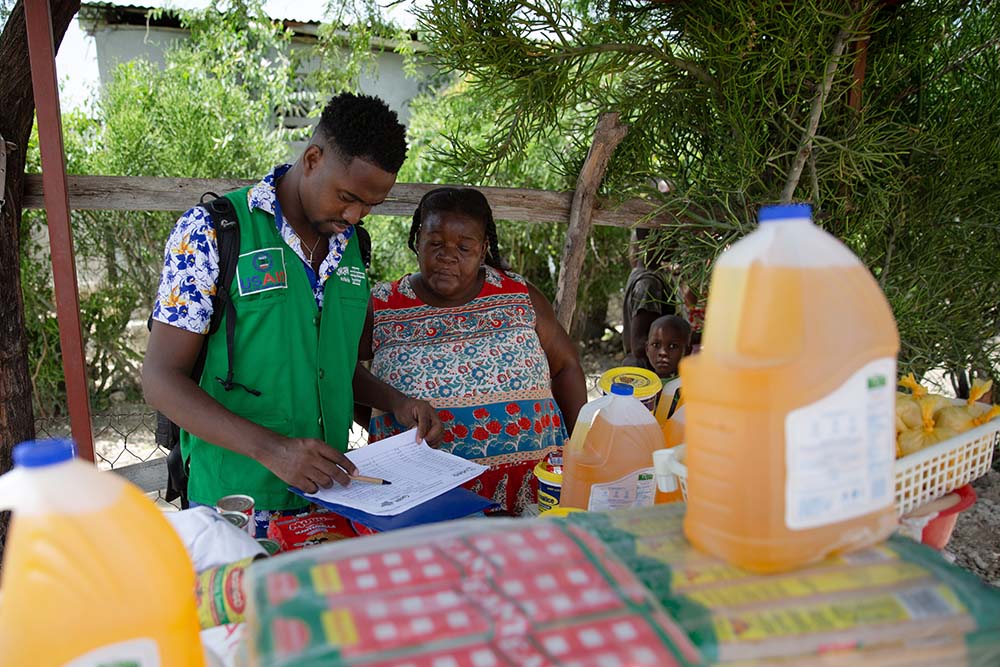
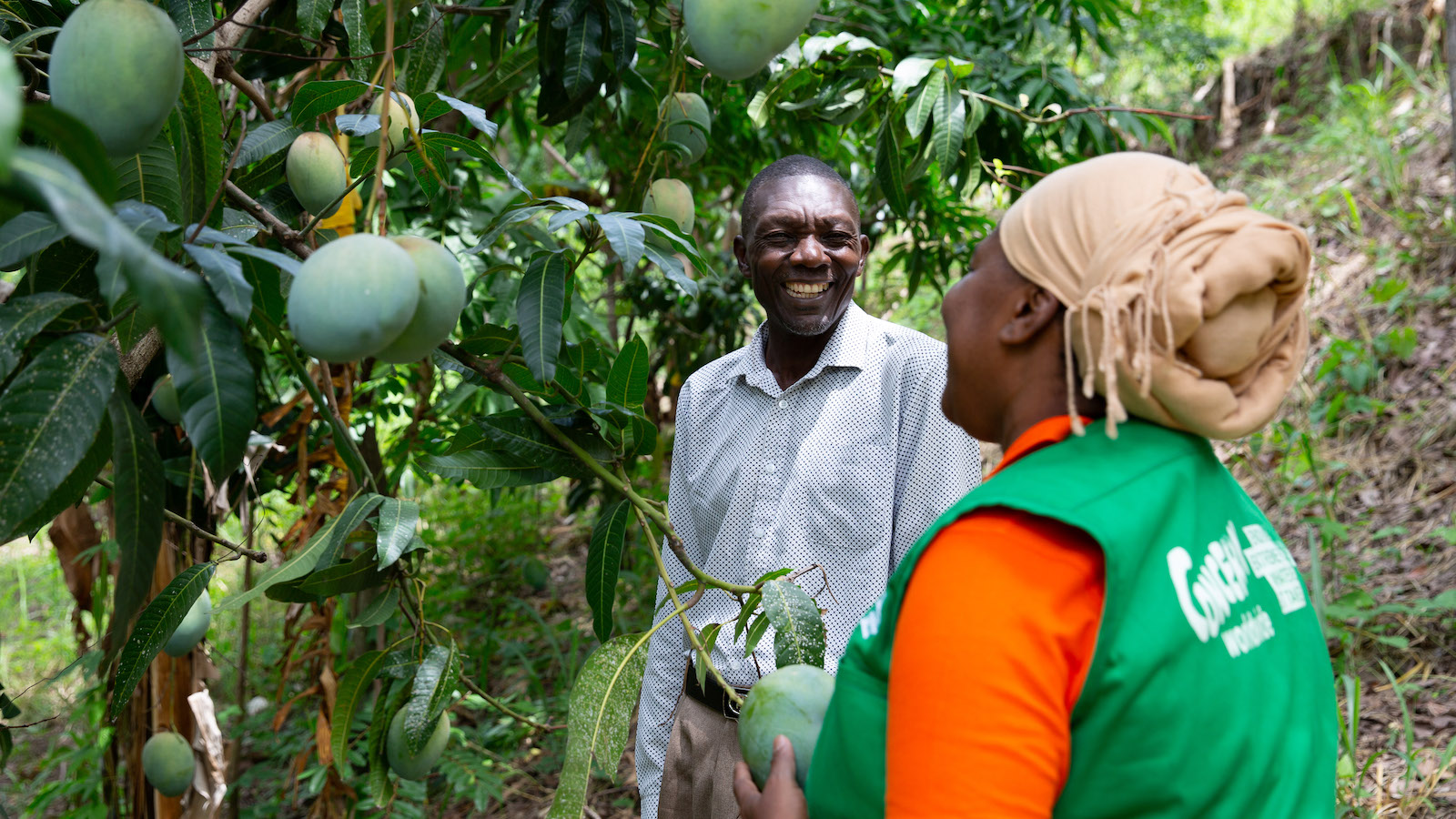
Our response in Haiti has adapted over the years, but our focus remains on improving living standards, economic status and social inclusion for the island nation's most vulnerable communities.