The South Sudan crisis, explained
5 Things you need to know in 2026
Jul 2, 2026
As South Sudan marks 15 years of independence amid renewed violence, here is what you need to know about the crisis in 2026 — and how Concern is responding.
On July 9, 2011 the Republic of South Sudan became Africa’s 54th country. Independence came through a peaceful secession from Sudan after more than two decades of civil war.
Fifteen years later, however, the country is grappling with one of the world’s most complex humanitarian crises, with 9.9 million people (roughly two-thirds of the population) in need of emergency aid in 2026. The last decade-and-a-half has been characterized by ongoing violence, critical levels of hunger, and recurring climate disasters, as well as spillover effects from the conflict in Sudan.
Here’s what you need to know about the crisis in South Sudan in 2026 on the eve of the country’s 15th birthday, including how you can help.
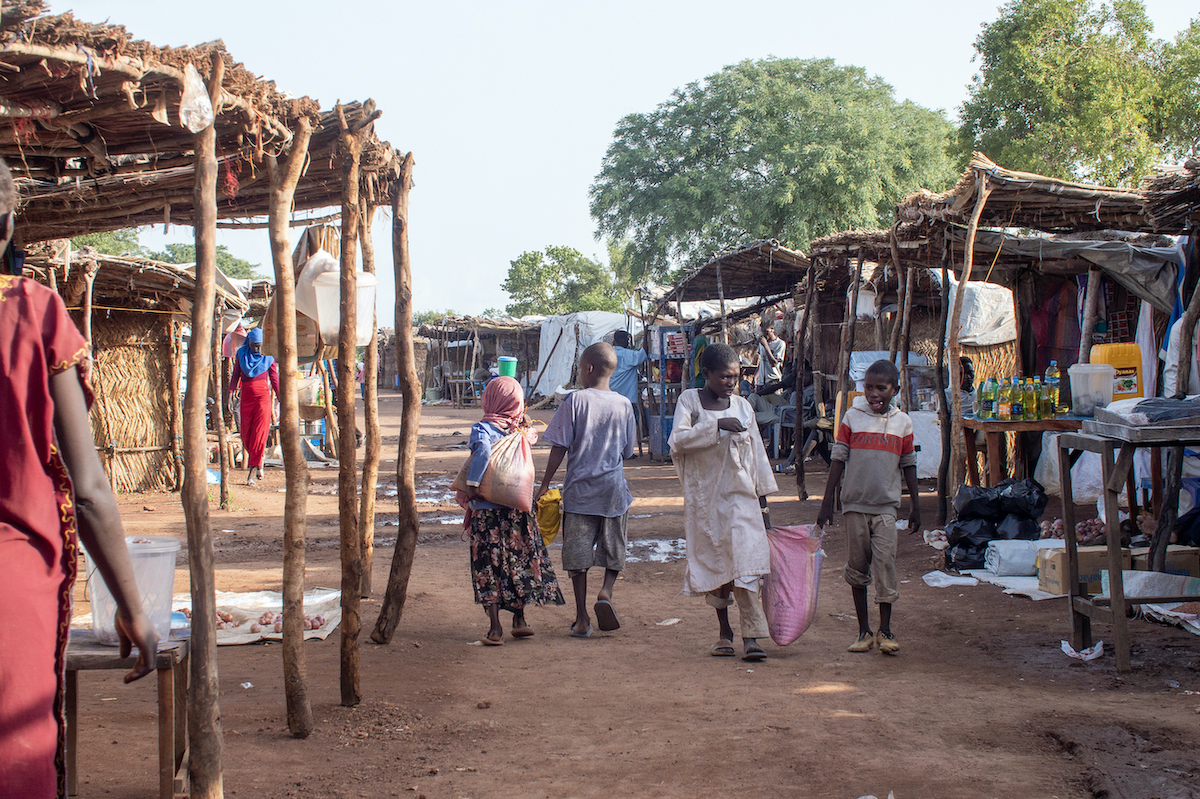
1. A stalled peace transition is fuelling renewed violence in a critical election year
Since gaining independence (and even before), South Sudan’s history has been dominated by violence, culminating in a civil war that began in December 2013. A failed peace negotiation led to renewed attacks in 2016.
An official peace treaty was signed in 2018, known as the R-ARCSS (short for “Revitalized Agreement on the Resolution of Conflict in the Republic of South Sudan”). After several postponements, the parties to the treaty formed a transitional government in February 2020, effectively ending the war. Since then, however, the transition plans have repeatedly stalled, with sub-national violence continuing in many areas of the country. This has postponed a key outcome of the transitional party — South Sudan’s first-ever general elections — several times. The transitional period outlined in the R-ARCSS itself has also been extended multiple times.
The success of South Sudan’s first elections since independence is therefore critical, especially amid ongoing tensions and increasing violence. The elections won’t mark the end of the peace process, but South Sudan is unlikely to achieve lasting peace without them.
2. South Sudan is facing a catastrophic “flood-drought paradox”
Every year, more than 1 million people in South Sudan are affected by flash floods and overflowing rivers. Since 2019, those floods have become larger, more frequent, and more destructive. As a result, South Sudan is now considered one of the world’s most climate-vulnerable countries, ranking second on the European Commission’s 2025 INFORM Risk Index.
But the problem isn’t simply that the country is flooding: Last year, South Sudan experienced what’s known as a “flood-drought paradox.” While six of the country’s ten states were inundated by floodwaters — displacing more than 375,000 people by the end of the year — regions in the north and southeast were suffering from prolonged dry spells that decimated crops and livestock and placed even greater pressure on already-scarce resources.
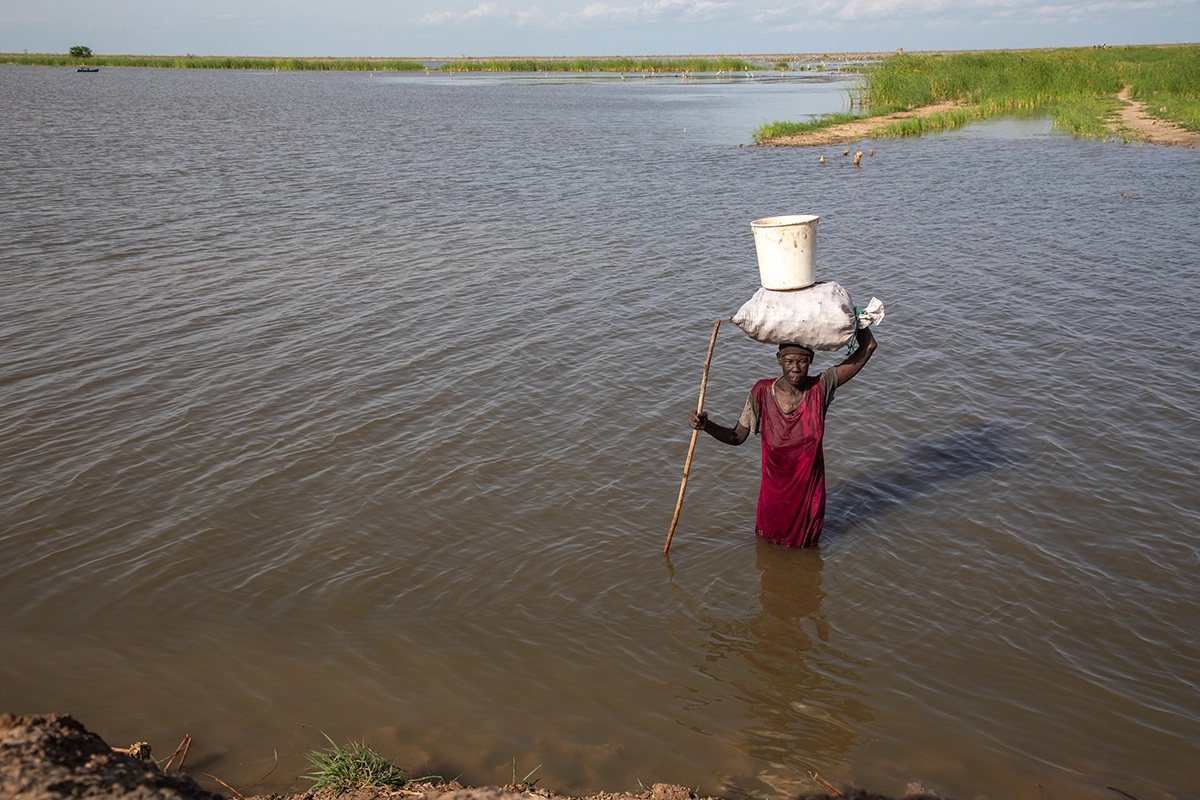
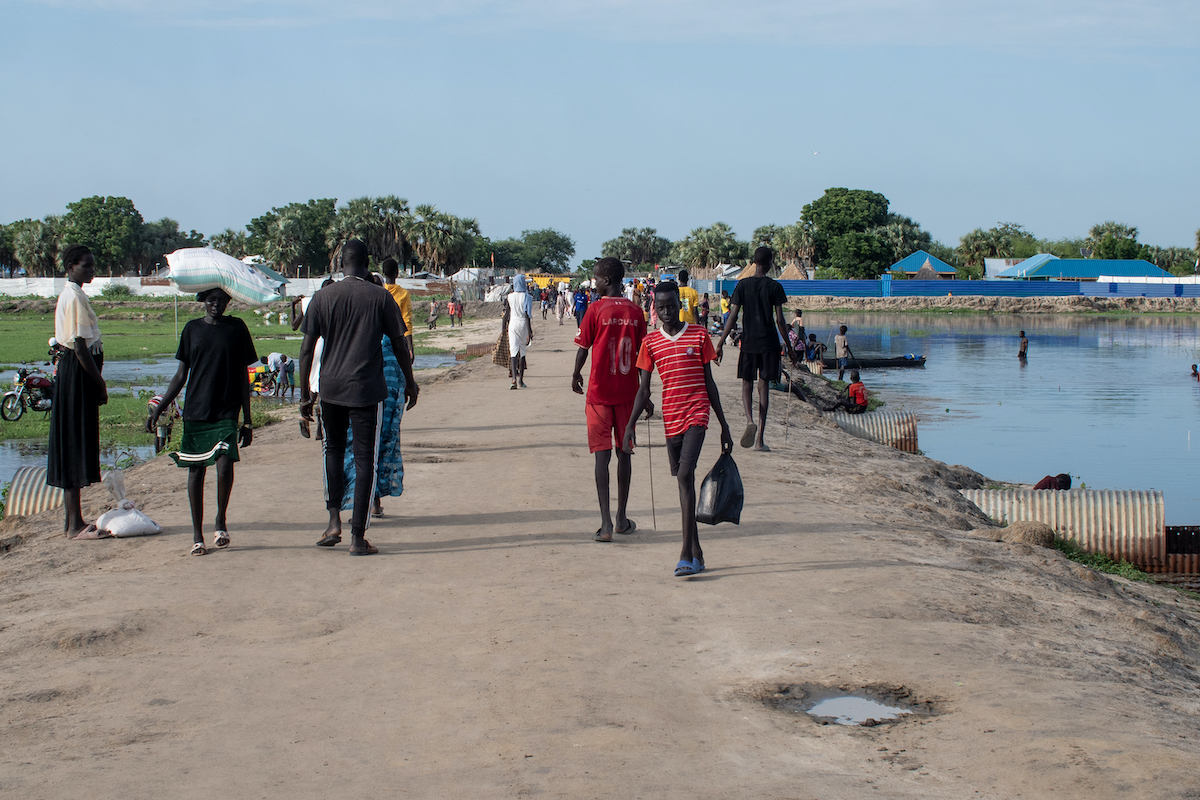
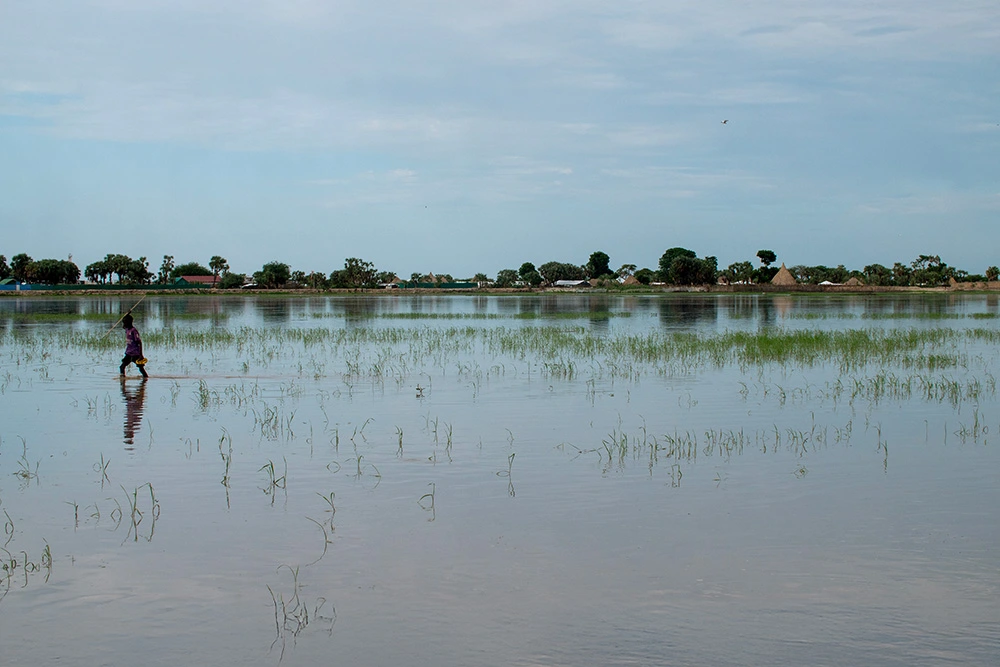
One bad season is enough in these circumstances. Eight consecutive bad seasons have pushed families over the edge. They’ve exhausted whatever savings they’ve had, sold off animals, and lost the resources they would normally rely on to recover. By the time one disaster response is done, the next has begun. Humanitarian aid can help people survive, but it can’t prevent the next flood.
The damage is also extensive: Flooding creates ideal conditions for the spread of diseases like malaria — which was estimated to have affected more than 3.2 million people in South Sudan last year alone. Moreover, roughly 95% of South Sudan’s population relies on the land for their livelihoods, meaning that these climate shocks threaten more than the environment. The erosion of natural resources becomes fuel for violence, leaving millions of civilians stuck in a vicious cycle between conflict and climate.
3. 7.8 million people are facing crisis-levels of hunger
Right now, nearly 8 million people in South Sudan don’t know where their next meal is coming from. According to the Integrated Food Security Phase Classification (IPC) — the international system used to measure hunger and famine risk — 7.8 million people are experiencing high levels of food insecurity. Of those, around 73,000 people in Jonglei and Upper Nile States are classified as IPC Phase 5, the most severe level.
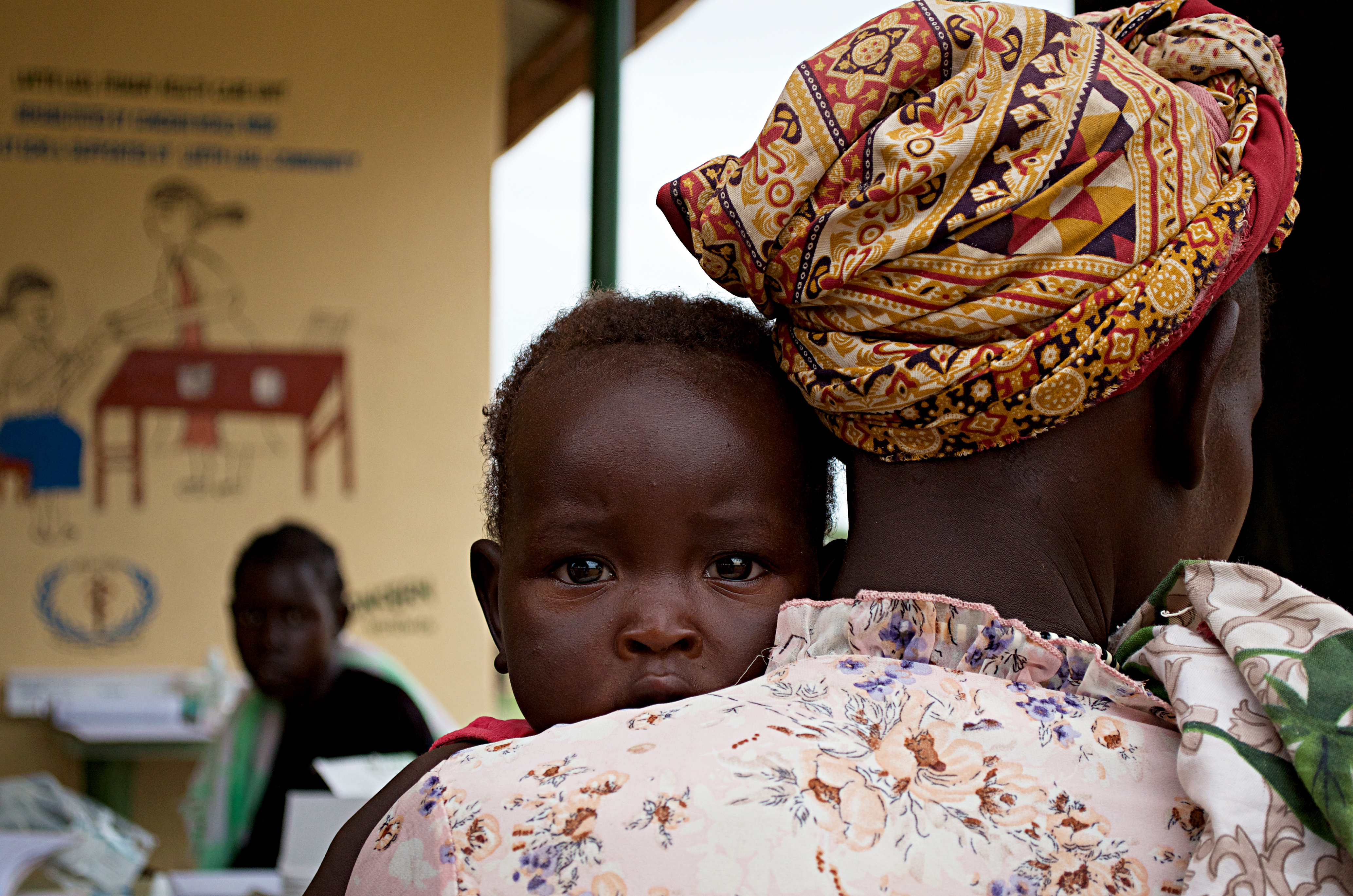
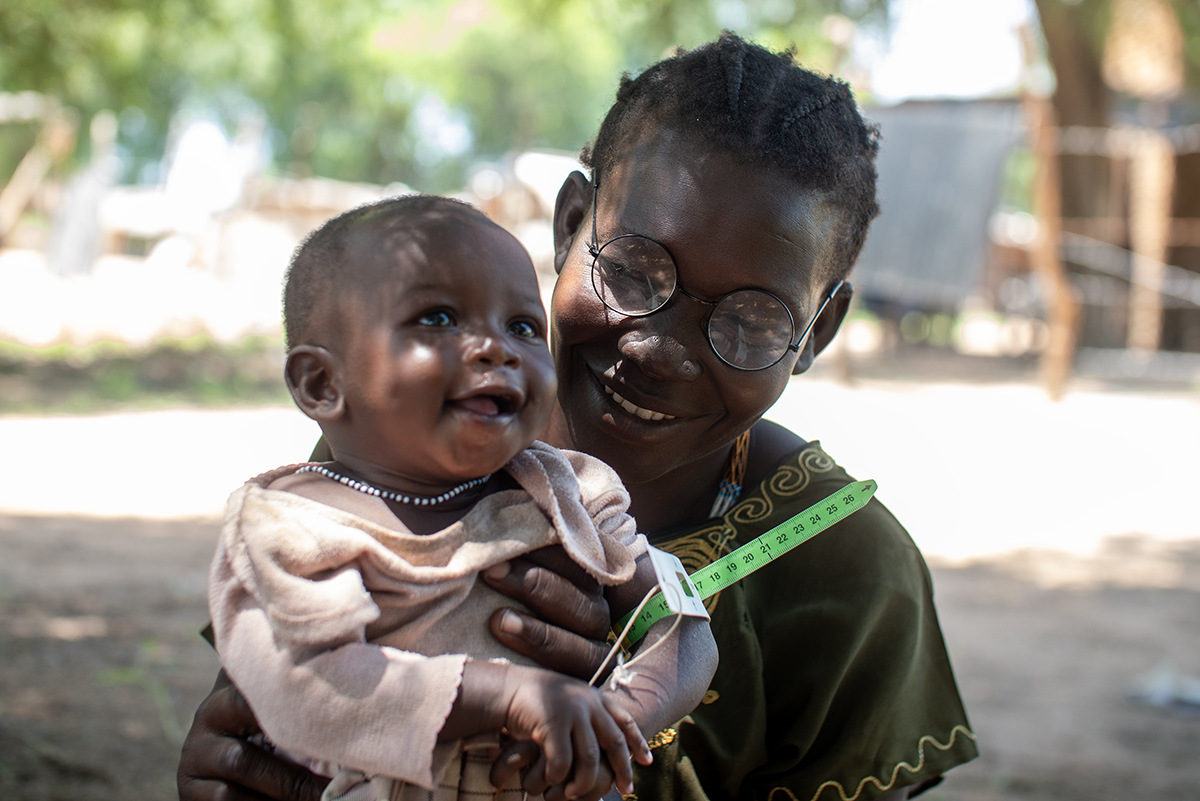
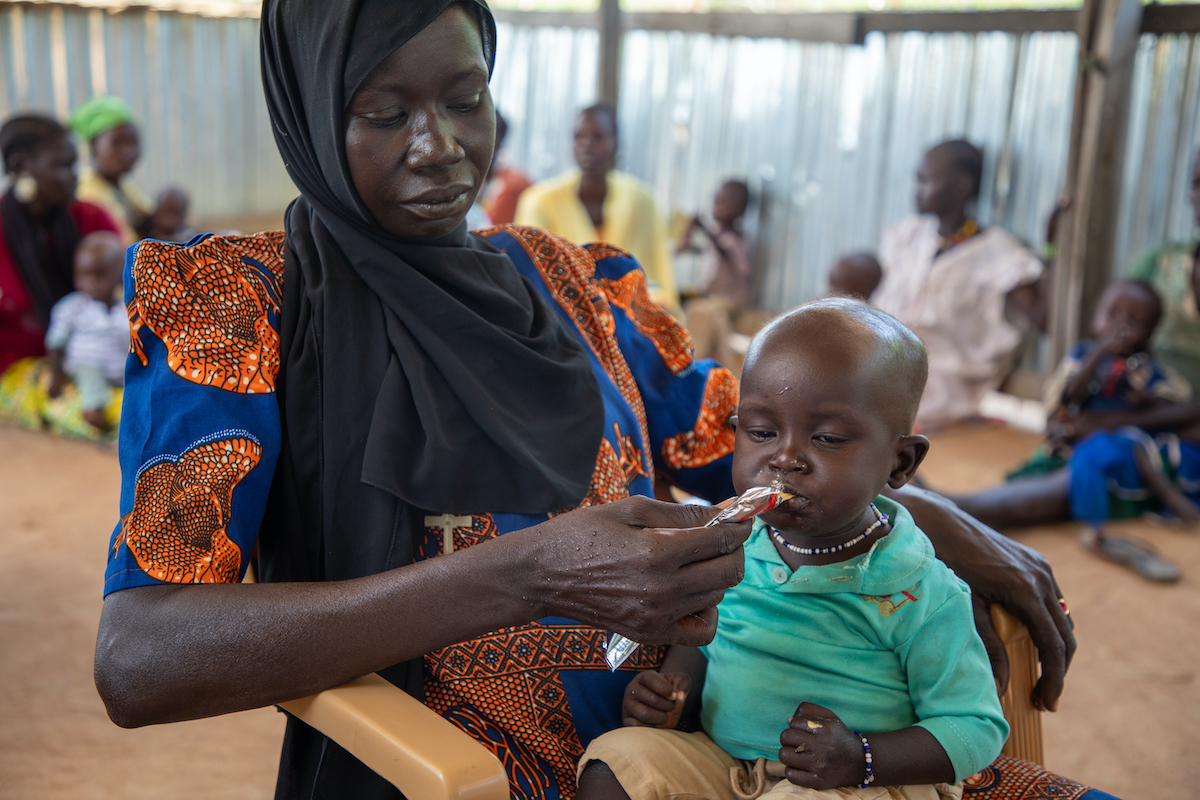
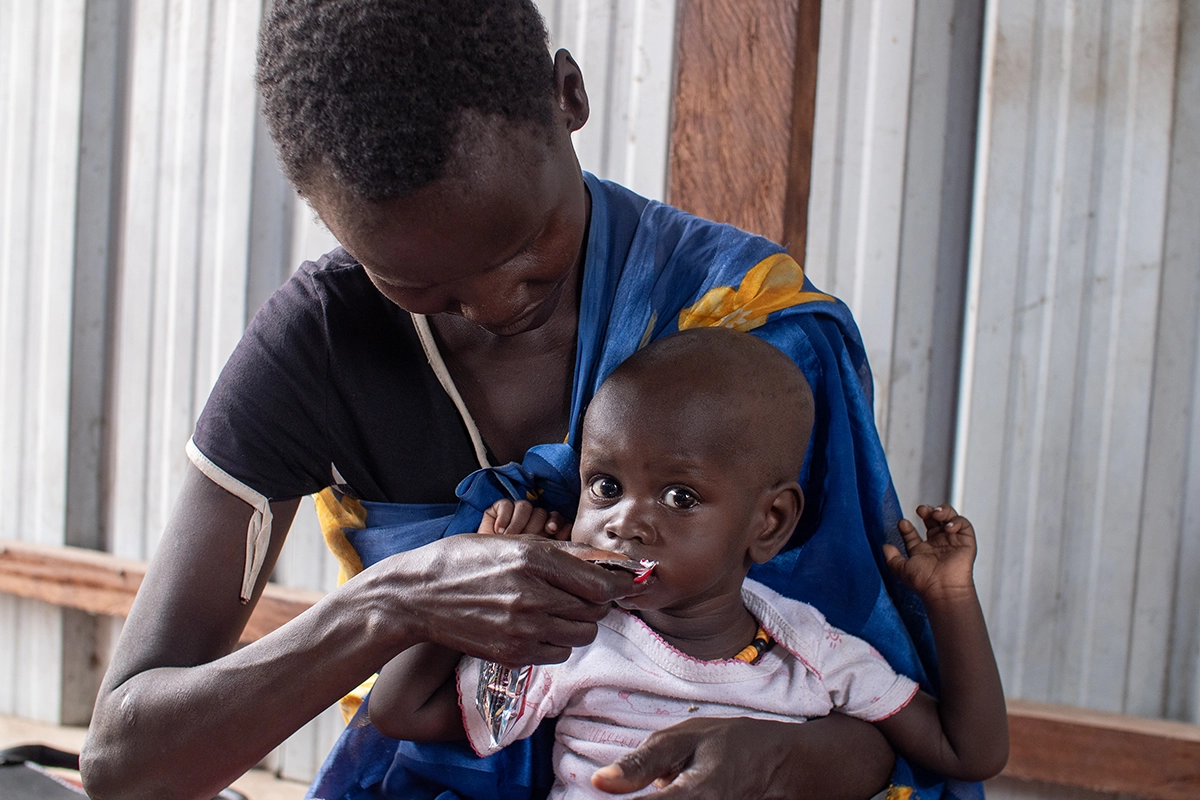
Phase 5 is sometimes described as “Catastrophe” and means that people are living in famine-like conditions. Food has become so scarce that they are experiencing some stage of starvation, their livelihoods have collapsed, and the risk of dying is dangerously high. In these conditions, children are among those to pay the highest price: The IPC estimates that 2.2 million children under the age of five urgently need treatment for acute malnutrition, a condition that weakens the immune system, stunts development, and can become fatal if left untreated.
None of this stems from one single cause, but conflict and climate have both played large parts in South Sudan’s hunger crisis. Fighting has disrupted markets, destroyed business, and made it harder for humanitarian aid to reach the communities that need it most.
4. Universal poverty and the ripple effects of the crisis in Sudan
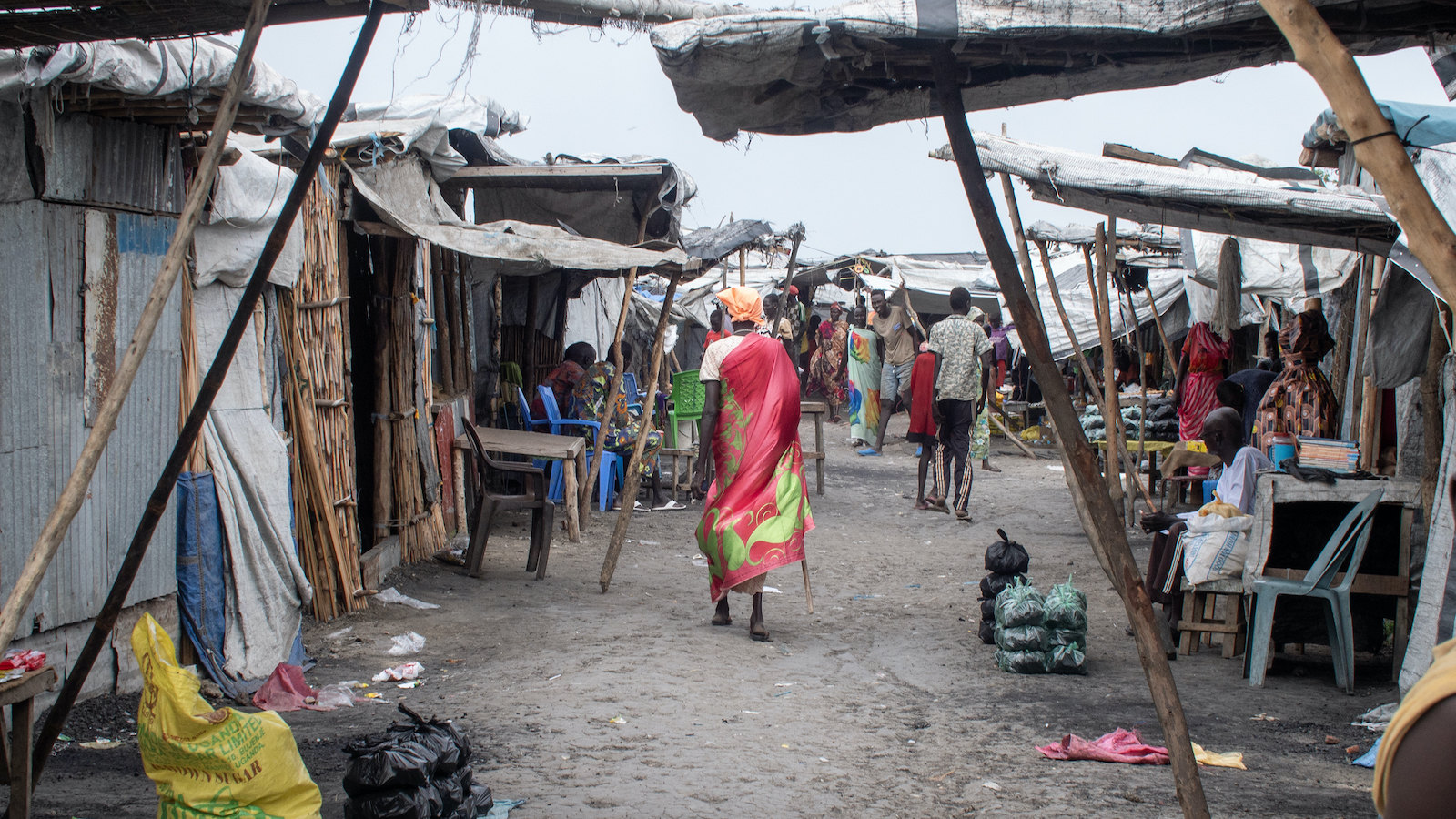
Despite being one of the poorest countries in the world, South Sudan is resource-rich, especially in terms of oil. However, it is now facing additional economic challenges due to the war in neighboring Sudan, which has led to a displacement crisis between the two countries as well as an economic crisis.
Since February 2024, the conflict in Sudan has severely disrupted the landlocked South Sudan’s oil exports after fighting damaged the pipeline that carries its crude to the Red Sea. This cut off around 70% of the country’s oil revenue, which has not only cut off salaries for many working people, but also led to cuts in public services and basic infrastructure — especially health and education.
This isn’t the whole story of poverty in the country, but it did lead to a significant warning amid rising fuel and food prices: In 2024, the World Bank estimated that poverty would become universal in the country, with an estimated 99.7% of families at risk of remaining in or falling into poverty in 2025. A report published by the African Development Bank in the summer of 2025 revealed that 92% of South Sudan’s population were living in extreme poverty — 12 percentage points higher than what was recorded at the end of 2024.
5. Funding cuts have humanitarians working in a semi-permanent “relief phase”
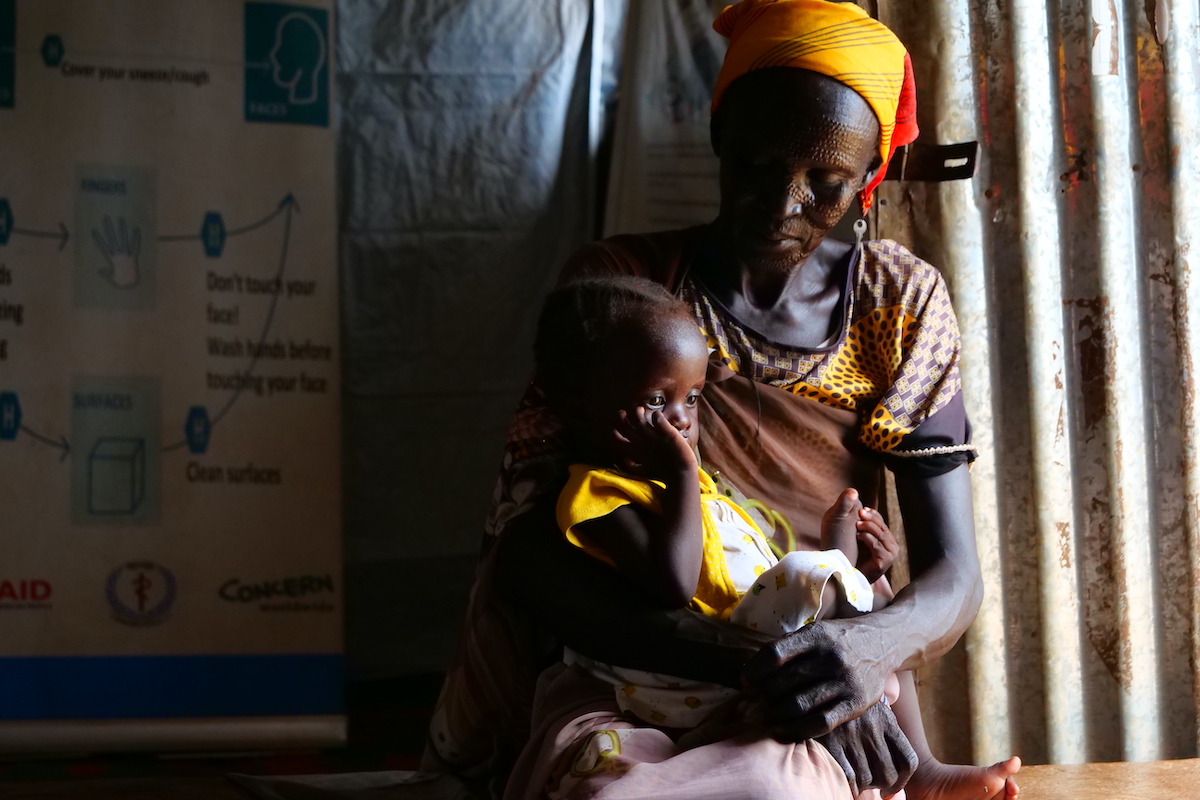
Cuts to humanitarian funding for South Sudan have been accumulating over the last several years. In 2024, the Norwegian Refugee Council reported that major donors, citing other pressing global issues, had to cut aid packages to South Sudan by as much as 40 to 50% — at a time when 70% of the country lacked basic access to health services, and 93% were without electricity.
Unfortunately, those trends continued into 2025, with major cuts to foreign aid leaving the UN’s Humanitarian Response Plan for South Sudan just 40% funded as the number of people in need of humanitarian aid continue to rise.
“If there is no support for the South Sudanese, there will be a country without a population.”
In a 2017 evaluation of Concern’s programs in South Sudan, we noted that our teams and the communities they worked with were “semi-permanently caught up in a relief phase.” In other words, we were doing all the running we could to stay in place.
This is the experience for many organizations in South Sudan. Despite the optimism that we have for a better future for South Sudan and the individual successes we see every day, we also know that the challenges are bigger than any one organization and require the full support of the international community. As one program participant put it in our 2017 survey: “If there is no support for the South Sudanese, there will be a country without a population.”
Concern in South Sudan
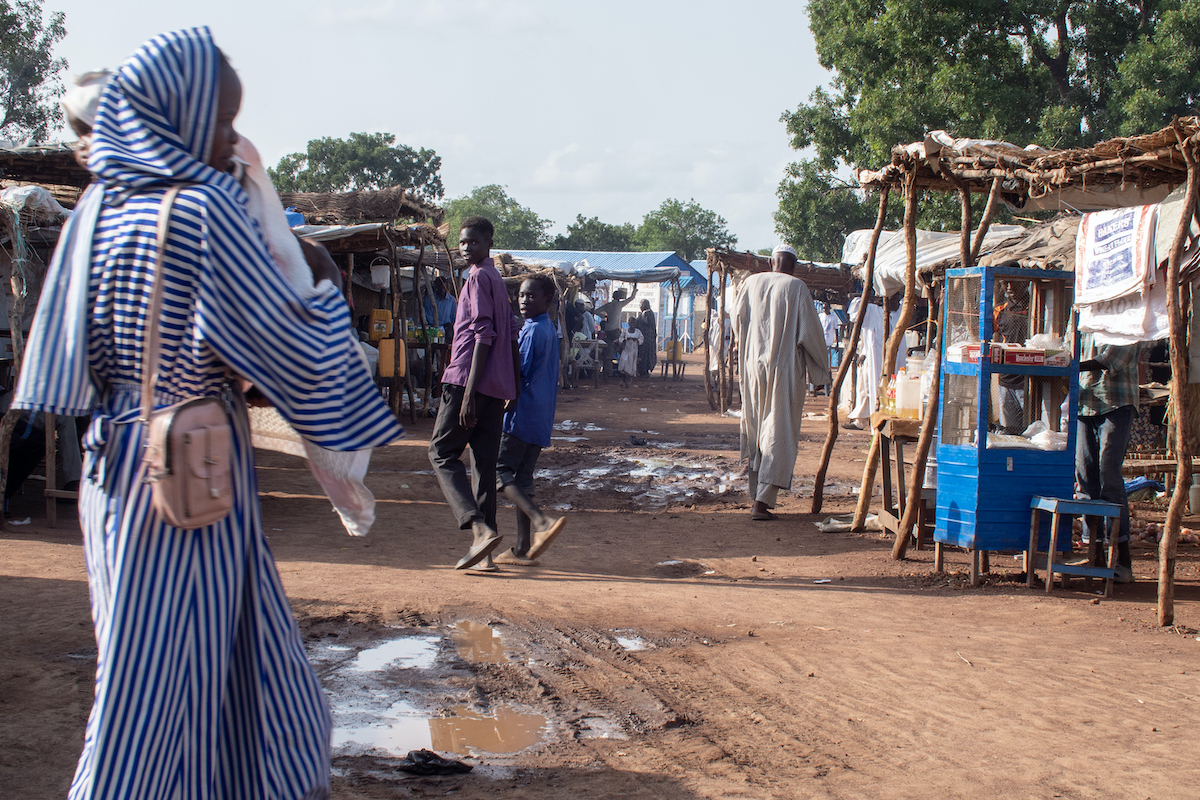
Concern has been on the ground in South Sudan since before it was an independent nation. Over the last 15 years, our teams have worked alongside local communities to deliver rapid emergency relief while empowering families to build long-term resilience against floods, droughts, and conflict.
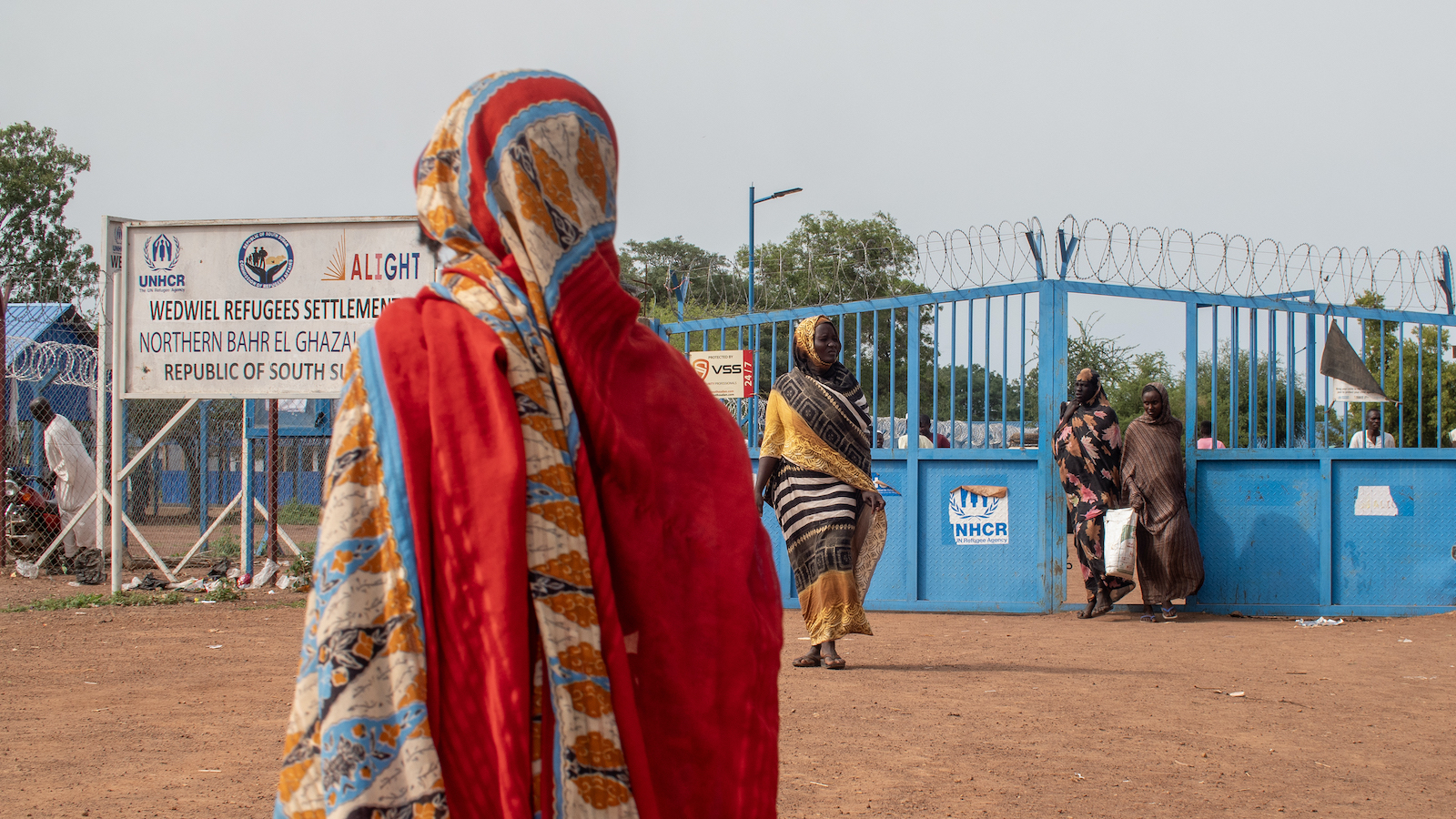
Last year, we reached nearly 765,000 people through delivering essential healthcare, critical nutrition screenings, direct cash assistance, and integrated programs designed to address the interdependent issues at the heart of this crisis. We work with flood- and conflict-affected communities, including areas hosting refugees and returnees from Sudan, providing lifesaving services to communities that were previously unreachable.
Every breakthrough we achieve is a testament to the power of collective action. Your support allows our teams to sustain this vital progress, scale our programs, and build a more resilient future for tens of thousands of families every year.