The Syria crisis, explained: 5 things to know in 2026
Mar 11, 2026
Fifteen years into the humanitarian crisis in Syria and amid a changing context, here’s what you need to know.
Since March 2011, conflict in Syria has led to one of the largest humanitarian and displacement crises in recent history.
Fifteen years later, 16.5 million people require urgent humanitarian assistance, with needs continuing to be felt across 70% of the country despite some major contextual and governance shifts in the country over the last 15 months.
Concern has been responding in Syria, as well as in neighboring countries which have hosted the majority of Syrian refugees, since 2013. Here’s what you need to know about what’s going on in Syria in 2026—including how you can help.
1. The situation may have changed, but the needs remain the same
The political shifts in Syria that took place over the final weeks of 2024 led to a new reality that continued to develop throughout 2025: More than 3.4 million refugees and IDPs returned home to rebuild their lives after years away, while other parts of the country continue to face sporadic attacks.
The whole of the country is also facing the worst drought conditions in 36 years, with the Food and Agriculture Organization predicting that wheat harvests will fall 70% short of expectations. This could leave over 16 million people in the country unable to meet their nutritional requirements, while an overburdened health system has been facing rising cases of communicable and waterborne illnesses and significant gaps in coverage.
To put this in context, the humanitarian need in Syria (16.5 million people) is still close to a record high over the last eight years, down only a modest amount from its peak in 2024 (16.7 million people) and still 26% higher than what needs were like in 2018 (13.1 million people). This is to be expected as the country works to rebuild after 15 years of conflict amid ongoing bouts of violence.
2. More than 3.2 million people have returned home, but others have been forced to flee
Between December 2024 and earlier this month, the UN High Commissioner for Refugees reports that over 1.5 million refugees have returned from countries of asylum. Additionally, more than 1.8 million internally-displaced Syrians have likewise returned.
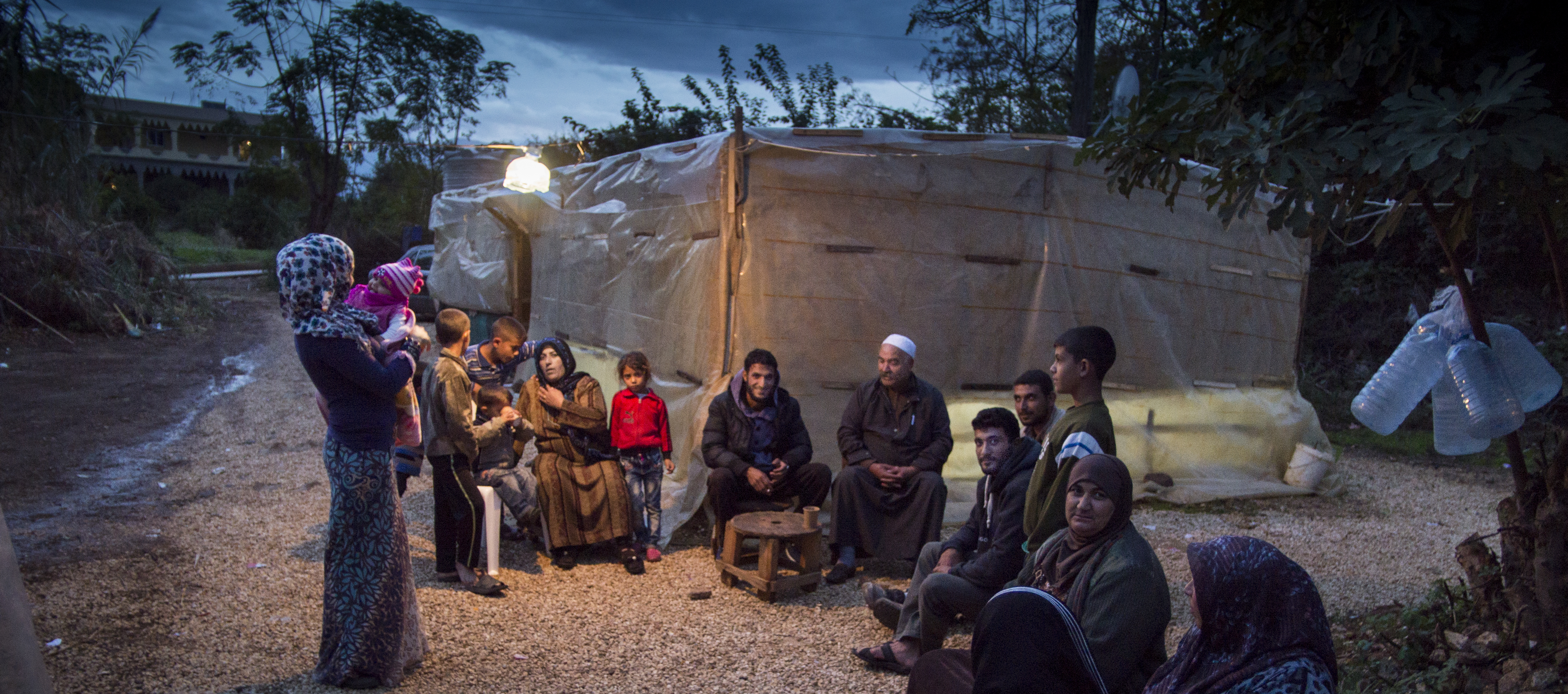
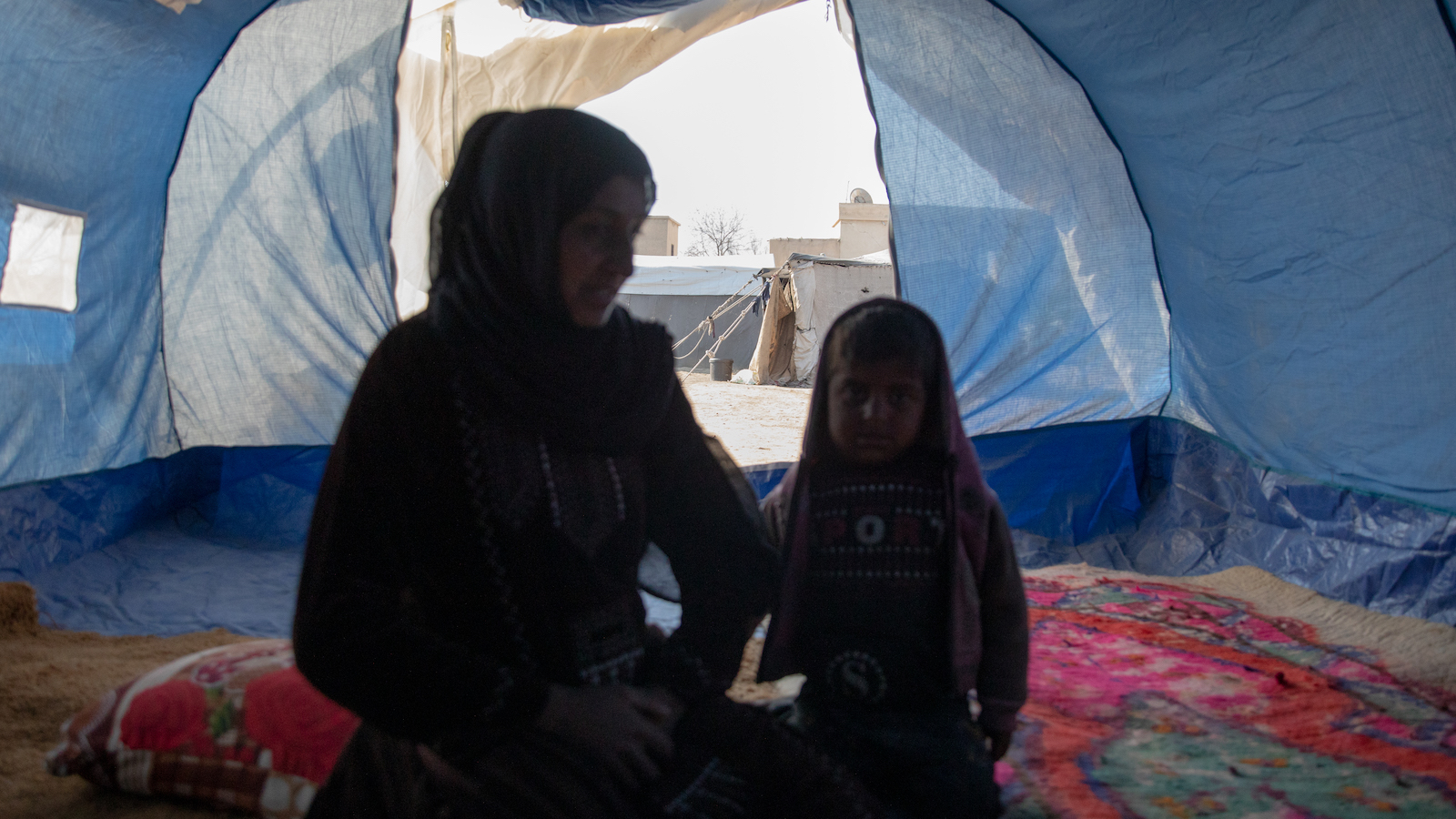
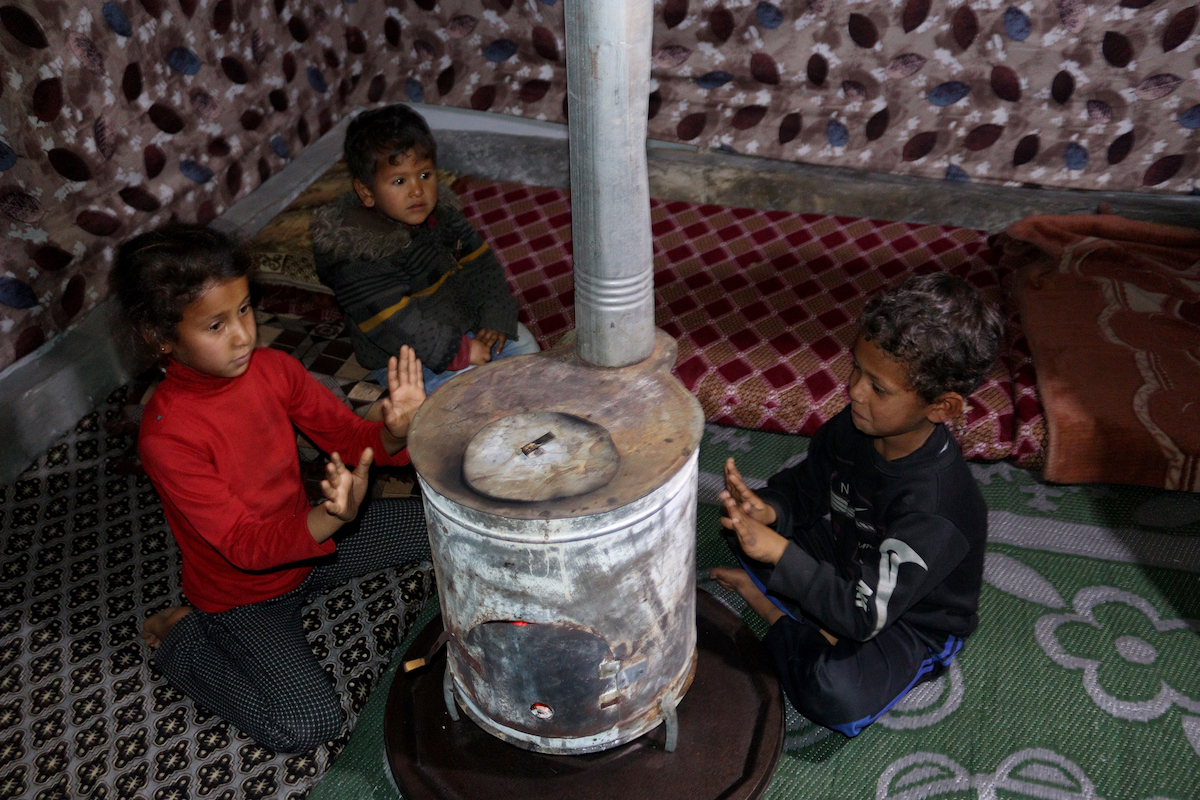
However, many are coming home to the harsh reality of a protracted conflict. Many families live in tents erected on top of the rubble that was once their home, unable to afford the reconstruction costs. Local infrastructure is also severely compromised, with many communities going without electricity, sanitation, and water supply networks (fully half of all Syrians lack access to clean and safe water). Schools, hospitals, and markets and bakeries have all been destroyed or partially destroyed, leaving essential services unavailable.
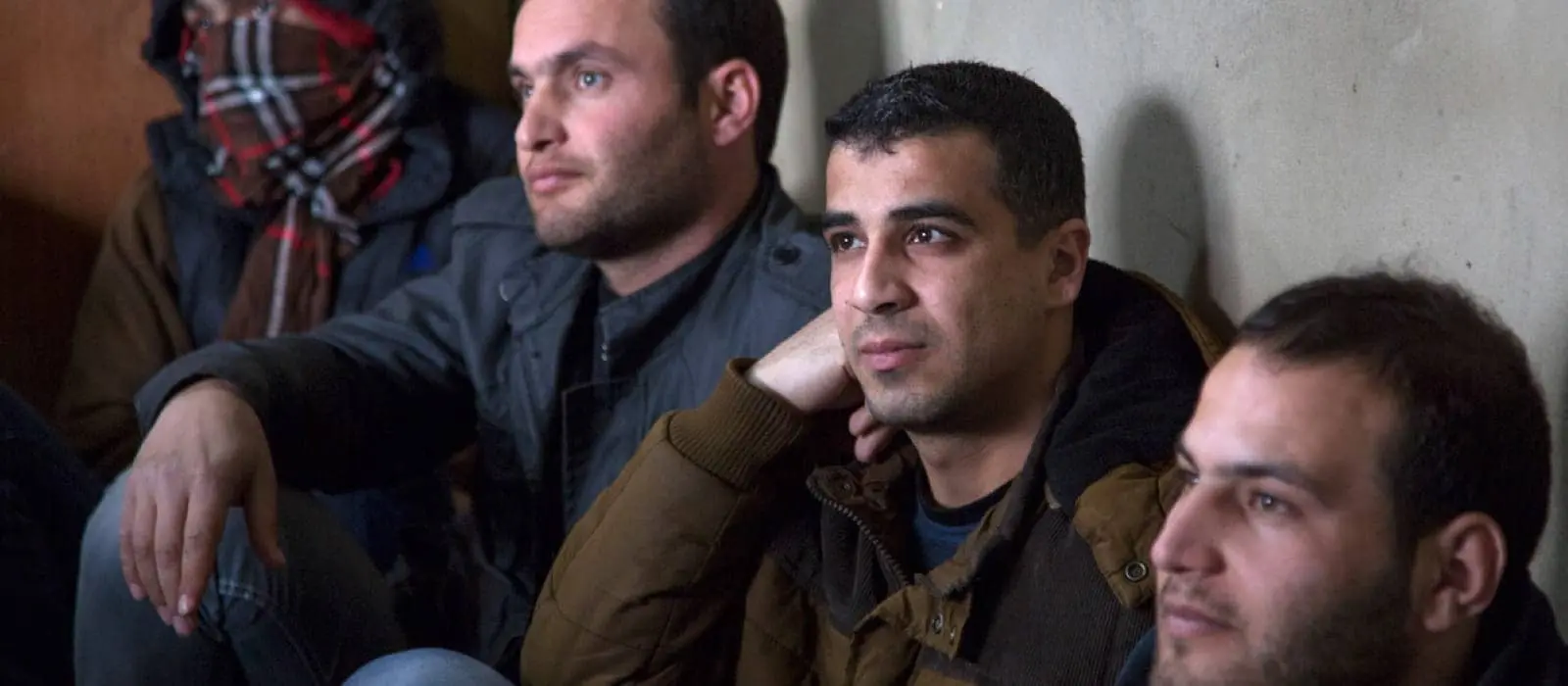
With ongoing violence in certain areas of the country, there were also new displacements in 2025, with approximately 150,000 moving across northeast Syria to flee conflict in Aleppo. What’s more, the number of Syrians who have returned home are still only a fraction of the total displacement caused by more than a decade of crisis: As of December 2025, the UNHCR still recorded more than 5.4 million refugees (still leaving Syria the world’s largest refugee crisis as we entered 2026). An additional 5.5 million Syrians remain internally-displaced as of this month. Many are afraid to return home with so much about the future still uncertain.
3. 90% of Syrians are living below the poverty line
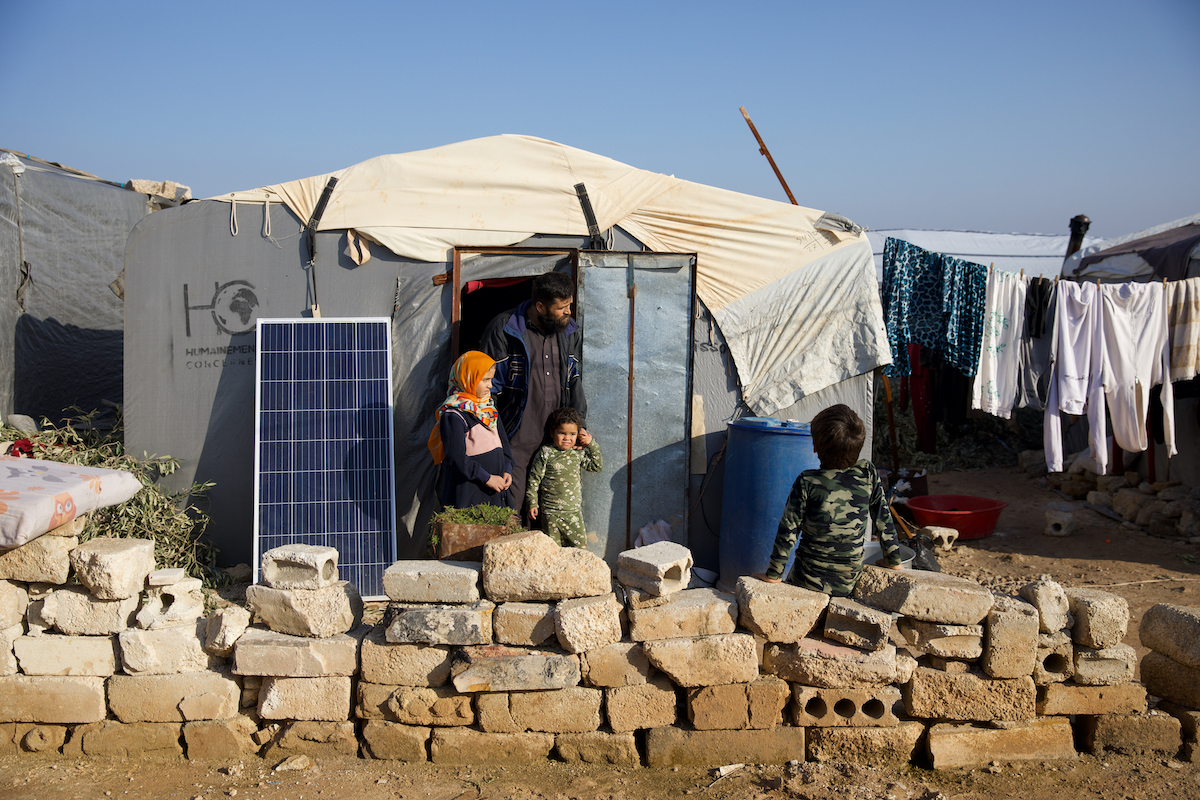
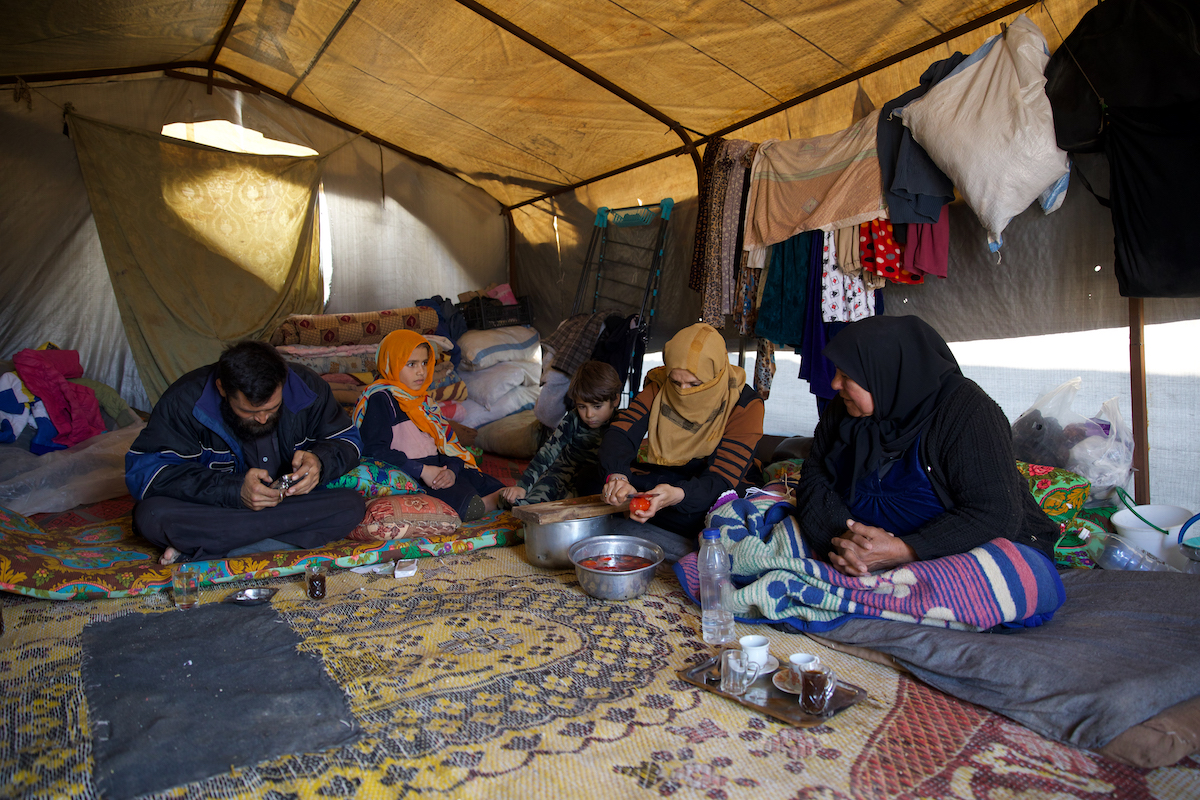
Before 2011, Syria had a sizable middle-class population, with 33% of the country living below the national poverty line and 11% living below the international poverty line. During the conflict, those numbers have surged, with 90% of the country living in poverty and 66% living in extreme poverty.
A report by the UN Development Program estimated that the country’s GDP losses totaled $800 billion between 2011 and 2025. Average monthly salaries remain close to—or even below—the cost of the bare minimum essentials required to survive, with 25% of Syrians out of work—particularly younger people and women—and forced to rely on humanitarian assistance and development support. Some key developments were made in 2025; the rollback of sanctions and other restrictions will likely have a positive impact on the economy. However, as the Global Humanitarian Overview for Syria notes, “the scale of the crisis and the impact of the new shocks…suggest the needs will remain extremely high in 2026.”
4. More than 25% of the country is facing a hunger crisis
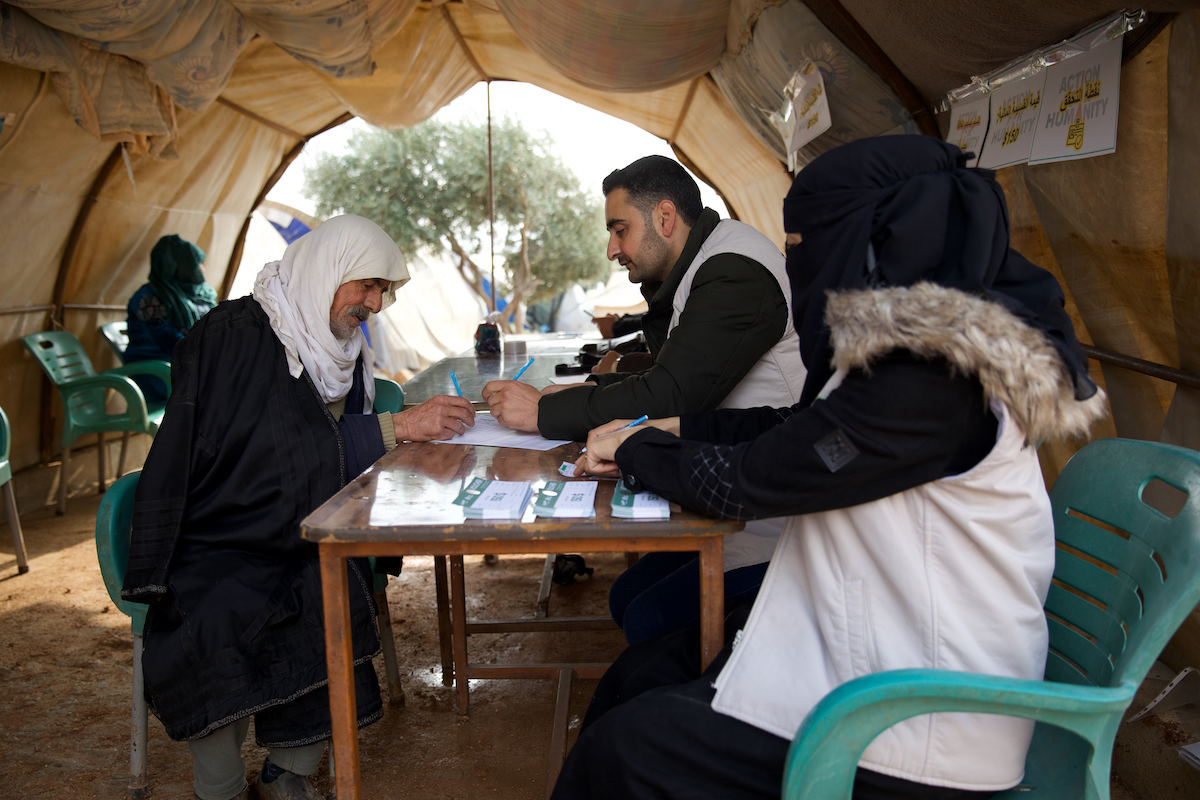
Syria continues to face a food security emergency, with the Famine Early Warning Systems Network (FEWS NET) estimating that 6.99 million people will be facing crisis levels of hunger through April. These conditions, which affect 25% of the country, have been brought on by conflict-related damage to irrigation systems and infrastructure, shifts in governance, and three years of drought conditions.
Northwest and northeast Syria are of particular concern, where IDPs and people returning from displacement face limited livelihood opportunities and economic constraints. For many Syrians, emergency food assistance remains a lifeline. However, this has also been harder to guarantee with distributions in 2025 dropping below levels recorded in 2024 due to funding gaps and operational constraints. The 2026 Global Humanitarian Overview for Syria notes that 1 million Syrians in need of monthly food assistance were left without support last year as a result of funding cuts alone, while only 8% of subsistence farmers received emergency agricultural support even with the drought.
5. We’re now running the risk of multiple lost generations
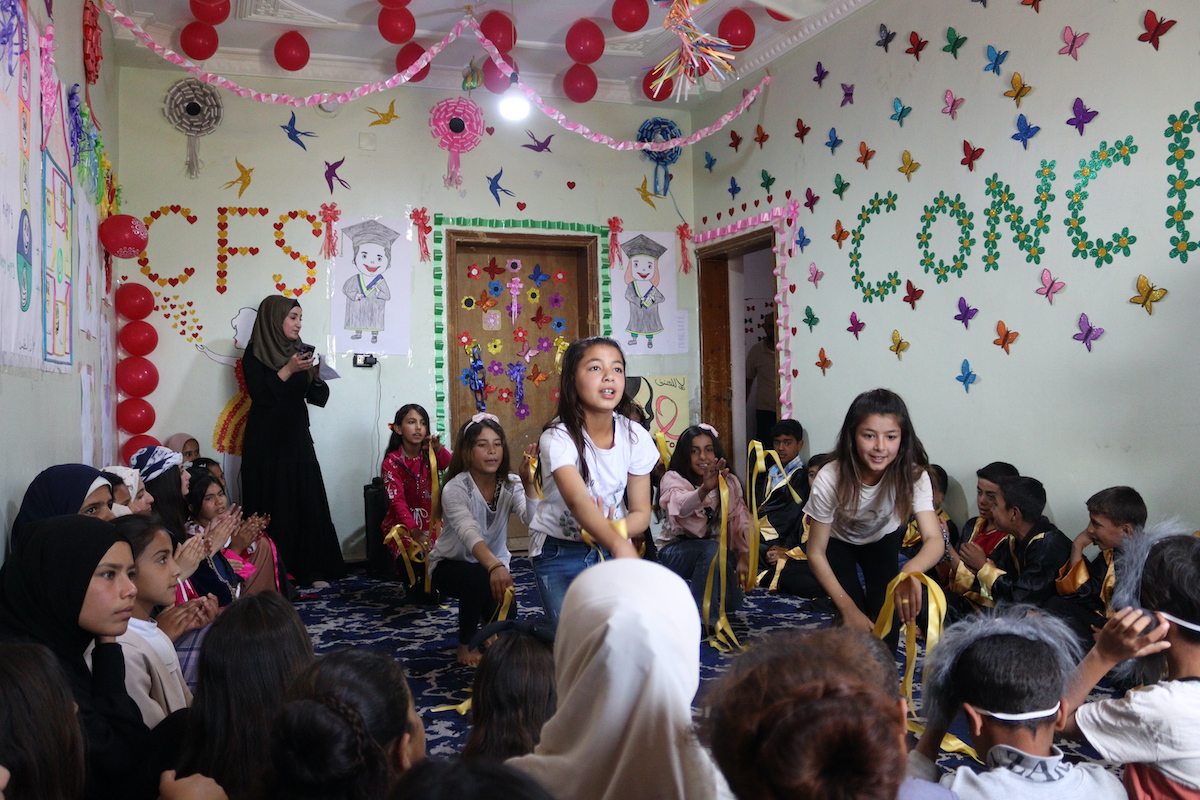
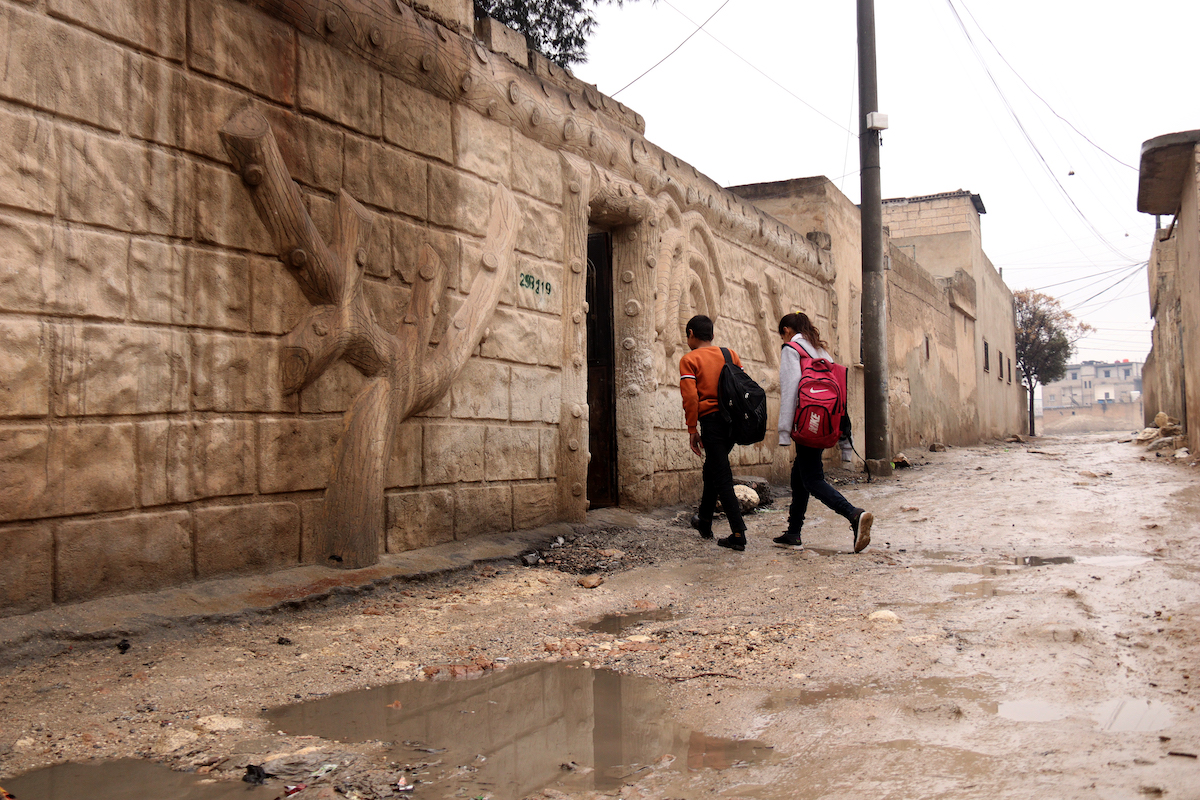
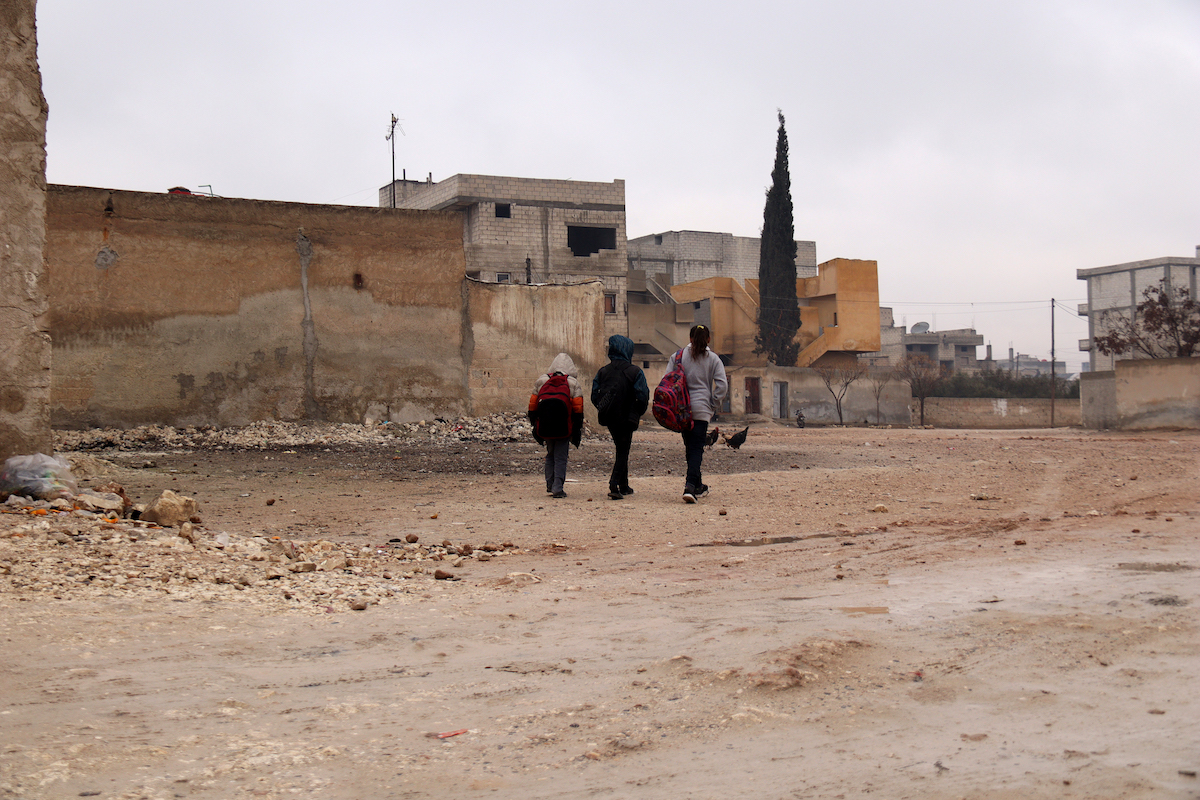
The education system in Syria has been hit especially hard by conflict and crisis. Before 2011, primary school attendance rates in the country were at 97%. In 2019, UNICEF estimated that 40% of the country’s school infrastructure had been destroyed.
Last year, UNICEF also reported that children returned to school under a unified national calendar and education framework for the first time in over a decade. However, more than 7,000 schools have been destroyed, 2.5 million children are out of school, and another 1.6 million are at risk of dropping out. Many Syrians who were unable to finish their education at the start of the conflict have now had children who are likewise facing the threat of a lost education.
In a 2019 version of this explainer, we wrote that the longer the conflict continues the greater the risk there is for an entire generation of young Syrians becoming “lost” due to a lack of access to safe, quality education. We’re now facing the threat that multiple generations could face the same loss without urgent action and adequate funding.
Concern in Syria
Concern has been working in Syria since 2013, responding to the crisis within the country as well as neighboring countries that have hosted large communities of Syrian refugees. Last year, our work in Syria reached more than 1.5 million people (directly and indirectly) with lifesaving humanitarian aid.
Our support includes multipurpose cash transfers, monthly food assistance, and protection—particularly child protection, psychosocial support, and non-formal education designed to help children prepare to reenter the formal education system. Despite living in highly-volatile areas, more than 90% of children advanced into further education in 2025, with nearly 50% entering formal schools and over 98% of remedial program students progressing to the next academic grade.
We also support health, nutrition, sanitation, and hygiene services in northern Syria. In 2025, this work included rehabilitating 12 water stations and three water networks across three governorates, helping us to reach over 367,000 people with clean water and protection against related illnesses like cholera.