Ebola in the DRC: What to know about the current outbreak
May 26, 2026
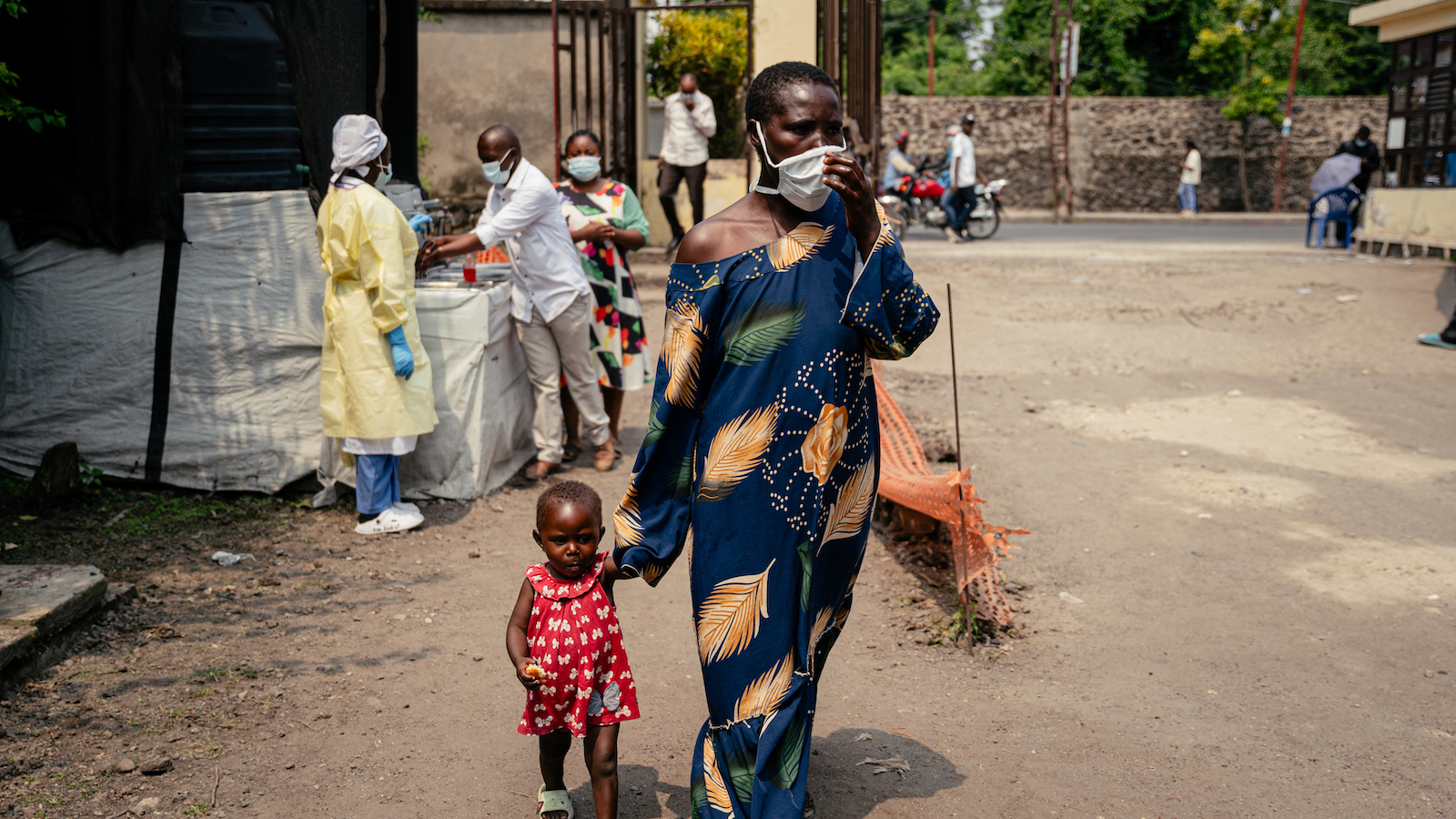
As the DRC faces ongoing conflict and displacement, health officials are responding to a new Ebola outbreak. Here’s what to know about the risks, response, and challenges ahead.
Earlier this month, a new outbreak of Ebola in the Democratic Republic of the Congo was confirmed. Since then, there have been over 100 confirmed cases, more than 900 suspected cases, and 129 deaths.
The DRC has lived through more Ebola outbreaks than any other country in the world, including the world’s second-largest outbreak in 2018-20, but this latest threat comes on top of years of intensified conflict, funding cuts, and limited access to healthcare. And while we’ve seen major advances in recent years with vaccines and treatment, they won’t be effective against this rare strain of Ebola, which threatens communities already facing extreme pressure.
Here’s what you need to know about the current outbreak and the efforts underway to contain it.
What’s happening in the DRC right now?
On Friday, May 15, the Africa Centers for Disease Control and Prevention (the largest public health authority for the continent) confirmed an Ebola outbreak in the Democratic Republic of the Congo. The agency reported 65 deaths related to the outbreak (including several healthcare workers) and 246 suspected infections, 13 of which had been confirmed.
The following day, the World Health Organization declared a global health emergency related to the outbreak, which had also been traced to Kampala, Uganda after a Congolese man was hospitalized and died.
As of May 24, the DRC has confirmed 101 cases of Ebola and 904 suspected cases, as well as 129 deaths linked to the virus. Uganda has confirmed five cases, three suspected cases, and one death amid fears that the virus has already spread regionally. The WHO also confirmed that the specific species of Ebola is the Bundibugyo virus, a relatively rare form of the virus with a fatality rate of 30-50%. (Learn more about the different types of Ebola in our explainer.)
Where is the outbreak happening?
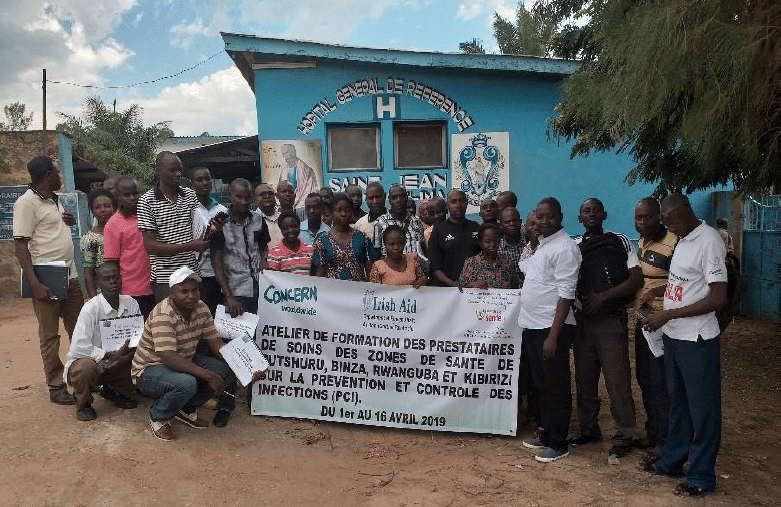
The first confirmed cases of Ebola in this outbreak were detected in the province of Ituri, in the northeastern region of the DRC. This part of the country shares a border with Uganda, with the provincial capital of Bunia about 180 miles from Kampala.
However, the vast majority of the cases so far have been reported in Ituri, particularly the cities of Rwampara, Mongbwalu, Nyakunde, and Bunia. Health experts believe the outbreak began in Bunia with a family cluster that spread to healthcare workers and throughout the community. The province is also a major hub for commerce and migration (especially for people working in the mining industry), and also shares a border with South Sudan.
Ituri is just north of North Kivu and South Kivu, and has also been affected by the ongoing crisis in the Democratic Republic of the Congo, which has seen intensified conflict in the eastern provinces over the last few years as well as massive displacement. The province hosts over 273,000 people displaced by the regional violence, and 1.9 million people (roughly 20% of the province’s population) require humanitarian assistance.
How serious is the outbreak?
The numbers first reported for this current outbreak in the DRC are higher than might be expected for an initial announcement. This speaks to the current situation in the country’s eastern provinces, which is dire: Years of conflict have weakened regional health systems, blocked off humanitarian access, and prevented normal response mechanisms to an outbreak like detection and contact tracing.
For these reasons, it’s entirely possible that the actual scale of transmission may be larger than what has been reported so far. The scale of humanitarian need and large number of internally-displaced people (many living in informal camp settlements without adequate water, sanitation, and hygiene services) can also further the spread.
“The lack of clean water to maintain basic hygiene and sanitation in densely-populated urban areas adds to the challenge of responding to a crisis of this sort and limiting the spread of disease,” says David Jones, Country Director for Concern DRC.
One of the reasons testing was delayed is because of the rarity of the Bundibugyo strain. Many testing facilities are equipped to detect the more common Ebola strain (also known as the Zaire ebolavirus), which was the strain that formed the world’s second-largest outbreak in the DRC’s Kivu region between 2018 and 2020. Unlike the Zaire ebolavirus, the Bundibugyo virus has no approved vaccines or treatments.
How conflict and funding cuts are fuelling the crisis
While the conflict in the DRC has had an especially severe impact on North and South Kivu provinces, neighboring Ituri has also experienced increasing violence and instability in recent years. In 2024, the province was home to the second-largest population of internally displaced people and returnees of any province in the country. Last month, the UN reported a 43% increase in violence and protection violations in the province compared to the previous month.
Ongoing insecurity has also made some areas unsafe or inaccessible for health workers and humanitarians, especially given the mountainous terrain of Ituri and North Kivu (where cases of the virus have already been detected). If Ebola spreads into these hard-to-reach communities, efforts to contain the outbreak and treat patients could become significantly more difficult.
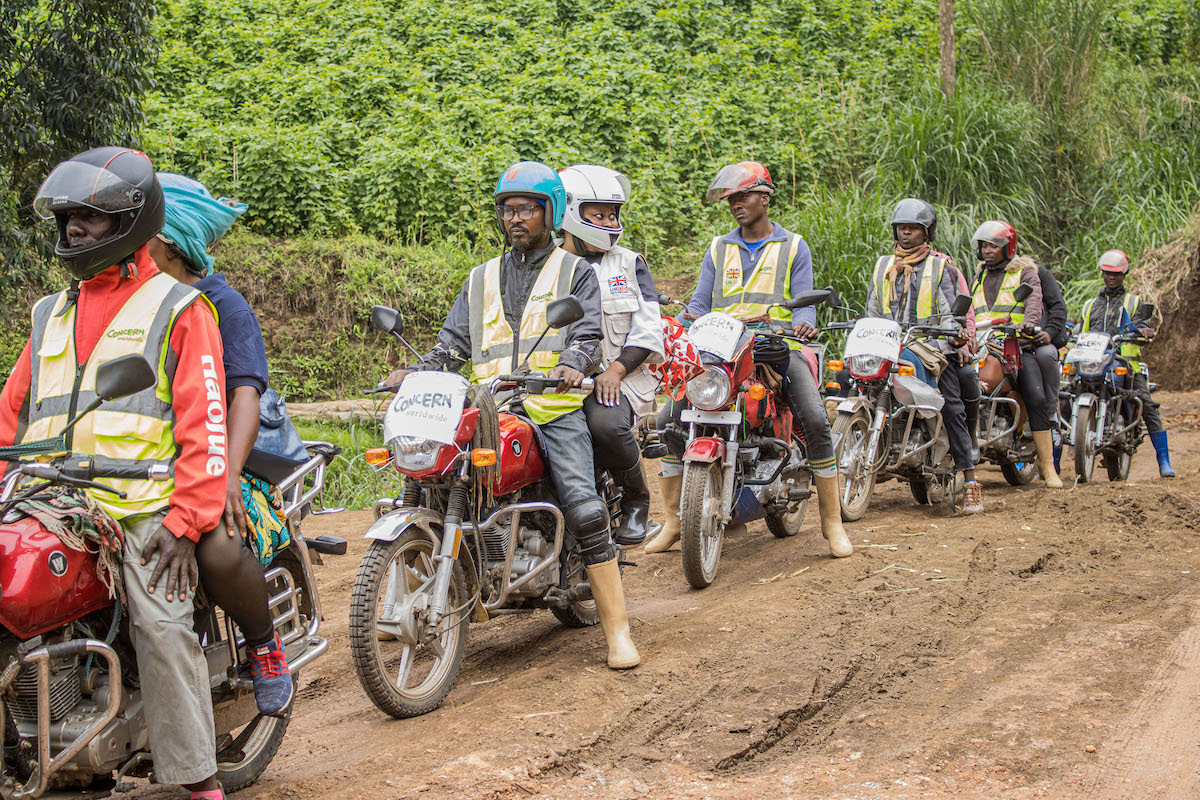
“Currently, we have access and we have relatively free movement, but the worse the situation gets, the more severe the needs will become, and the harder it will be to serve them,” says Jones. “It’s only going to become more difficult to respond.”
Health centers are also often targets for attack in conflict, as was the case during the Kivu Ebola outbreak. In 2019, there were over 120 attacks in the Kivu region, roughly one-third of which were against health facilities. These attacks injured—and in some cases killed—over 85 health workers. Attacks on isolation centers in the DRC have already been reported during this outbreak.
Cuts to humanitarian funding in the DRC have further impacted the outbreak and overall emergency response. In 2025, essential services for millions of people affected by conflict, displacement, hunger, and multiple outbreaks amid major funding shortfalls. Just 20% of the 2025 humanitarian response plan was funded. Health programs were hit especially hard by these cuts, which forced programs and clinics to close, limited disease prevention efforts, and reduced the availability of medical supplies, medications, and vaccines.
How are health workers and communities responding?
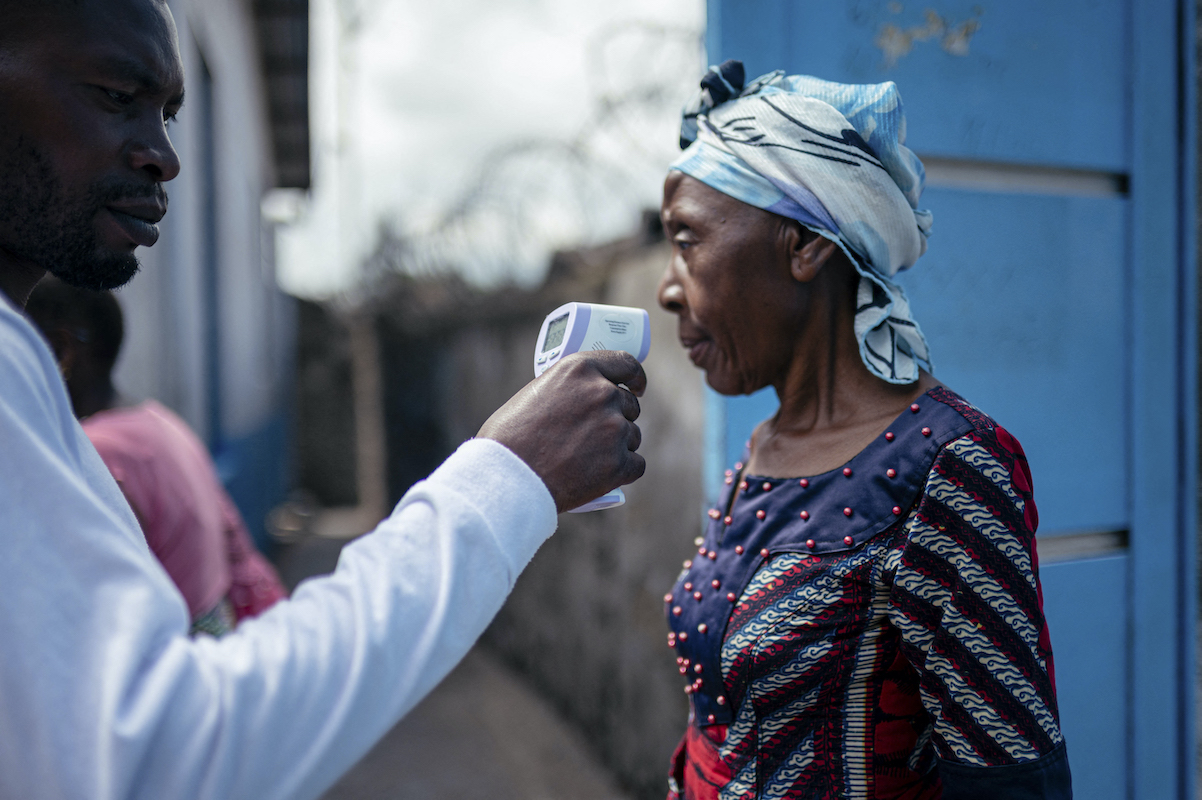
Because the Bundibugyo virus has no vaccine or course of treatment, response efforts in the DRC have focused heavily on containment and prevention, including contact tracing, testing, supportive clinical care, community engagement, and cross-border coordination.
This is happening amid critical shortages of PPE, staff, isolation space, and capacity. The International Medical Corps reports that Mongbwalu General Referral Hospital, where the first cases of this Ebola outbreak were treated, is at a 34% readiness level, and other facilities at less than 7%. Organizations already working in the area have begun to mobilize response efforts to fill in these critical gaps.
How is Concern responding?
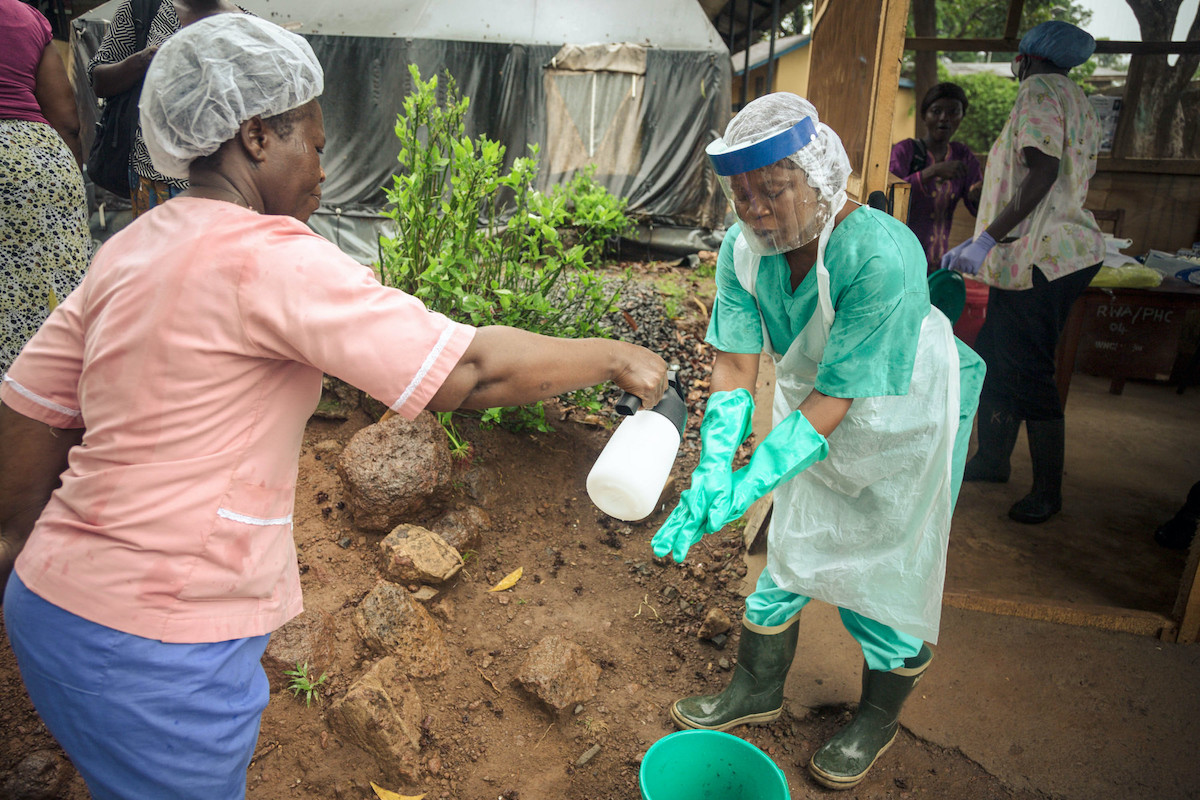
With over 30 years of experience in the DRC, Concern is among those organizations working to deliver frontline response with a proven track record of water, sanitation, and hygiene (WASH) programs in the country, particularly in the eastern provinces of North Kivu and Tanganyika.
Currently, we’re supporting 70,000 recently-displaced people outside of Goma, the capital of North Kivu, increasing access to clean water through delivering safe water and sanitation. We’re also working with local health centres to provide essential equipment, training, and refurbished facilities.
Concern also responded to the 2018-20 Kivu outbreak, and was internationally recognized for our response to the 2014-16 West African outbreak, the largest on historical record. With this experience and knowledge behind us, we are mobilizing emergency funding and coordinating with both partners and health authorities to support outbreak response efforts in affected communities, including WASH services, community education and awareness, hygiene promotion, and assistance for frontline health systems.
You can support our emergency Ebola response in the DRC with a gift to our Emergency Fund. 100% of your tax-deductible donation to this fund goes directly into our emergency response efforts, reaching the most vulnerable people with lifesaving assistance.