These humanitarian crises are at risk of being forgotten in 2026
Dec 11, 2025
Not every humanitarian crisis makes the headlines. However, the longer they go ignored, the more complex they can become.
There is no shortage of humanitarian crises as we head into the new year. But many of them only get a brief mention by international news media. Meanwhile, millions of people remain at risk as the situation becomes more complex or protracted.
For those millions and their loved ones, these crises aren’t “forgotten.” The bigger issue is really that a lack of attention often leads to them becoming underfunded, which leads to unnecessary ongoing suffering. Based on humanitarian data from UNOCHA’s Global Humanitarian Overview (HNO), here are seven “forgotten” humanitarian crises that cannot be ignored in 2026.
1. Ethiopia
- Number of people requiring humanitarian aid: 21.4 million
- Percent of humanitarian response funded in 2024: 25%
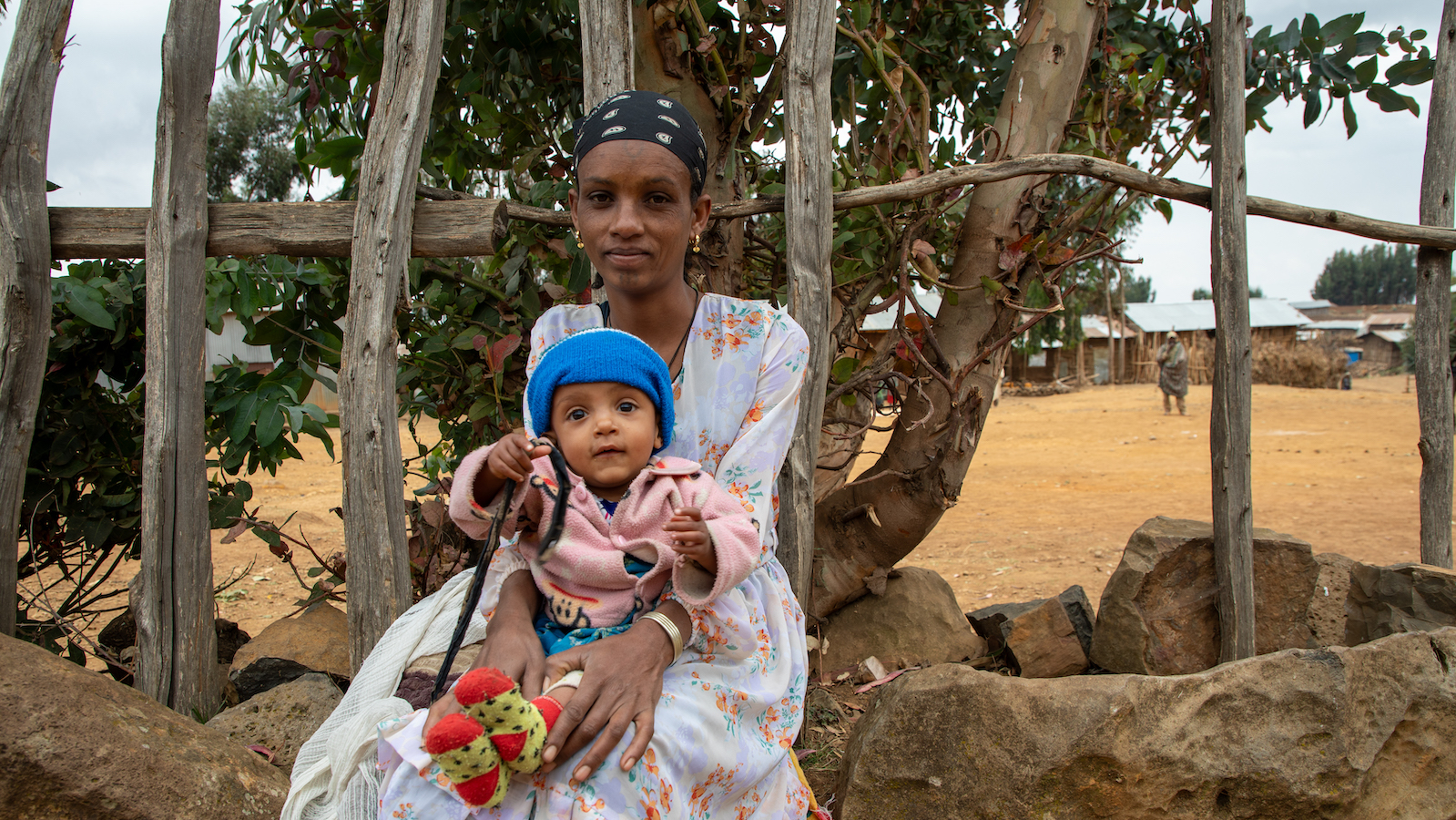
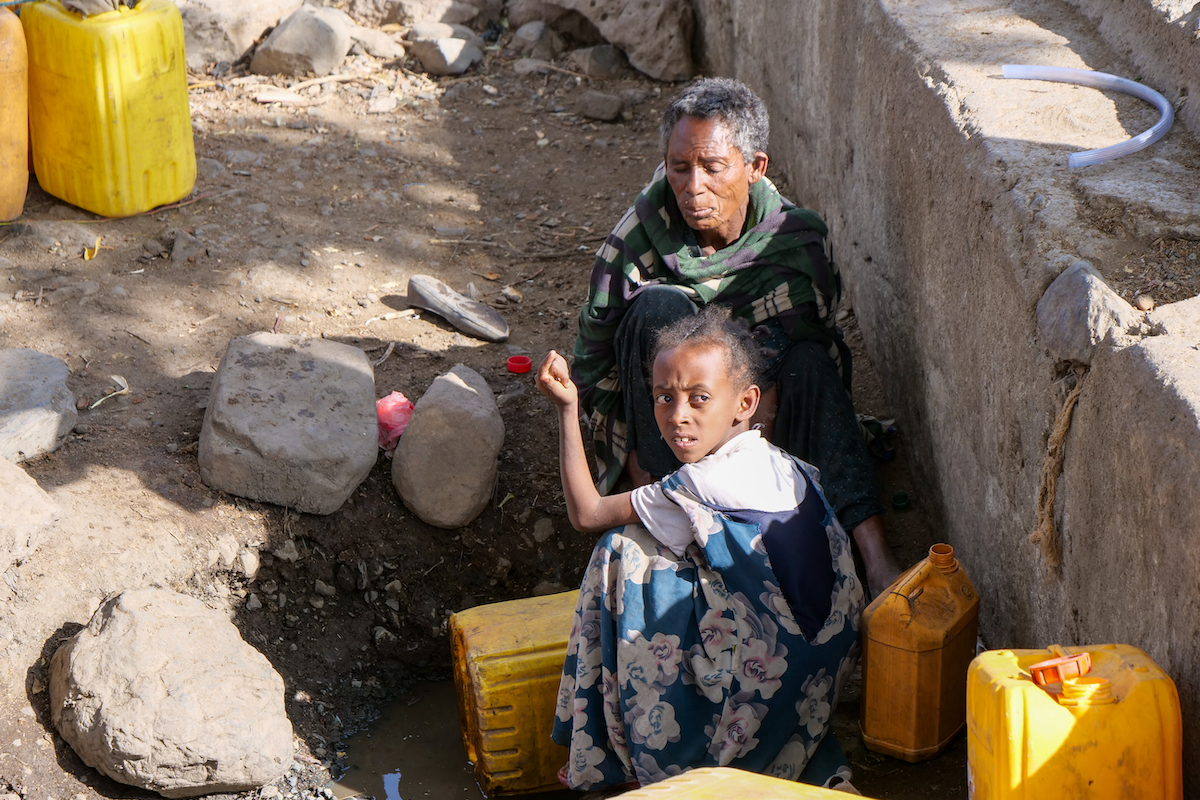
The 2026 Humanitarian Needs Overview for Ethiopia has yet to be released, however we know that in 2024 and 2025, 21.4 million people required assistance. In 2024, that was roughly 16% of the country’s population. Protracted conflict and insecurity in parts of the Amhara and Tigray regions have disrupted services, destroyed infrastructure, and displaced millions. Recurring flooding and severe drought are adding to a worsening food security situation. In 2024, the UN’s humanitarian response received just 25% of its required funds, and despite a high need, it was only able to target half of those requiring assistance in 2025 due to ongoing funding issues.
Concern in Ethiopia
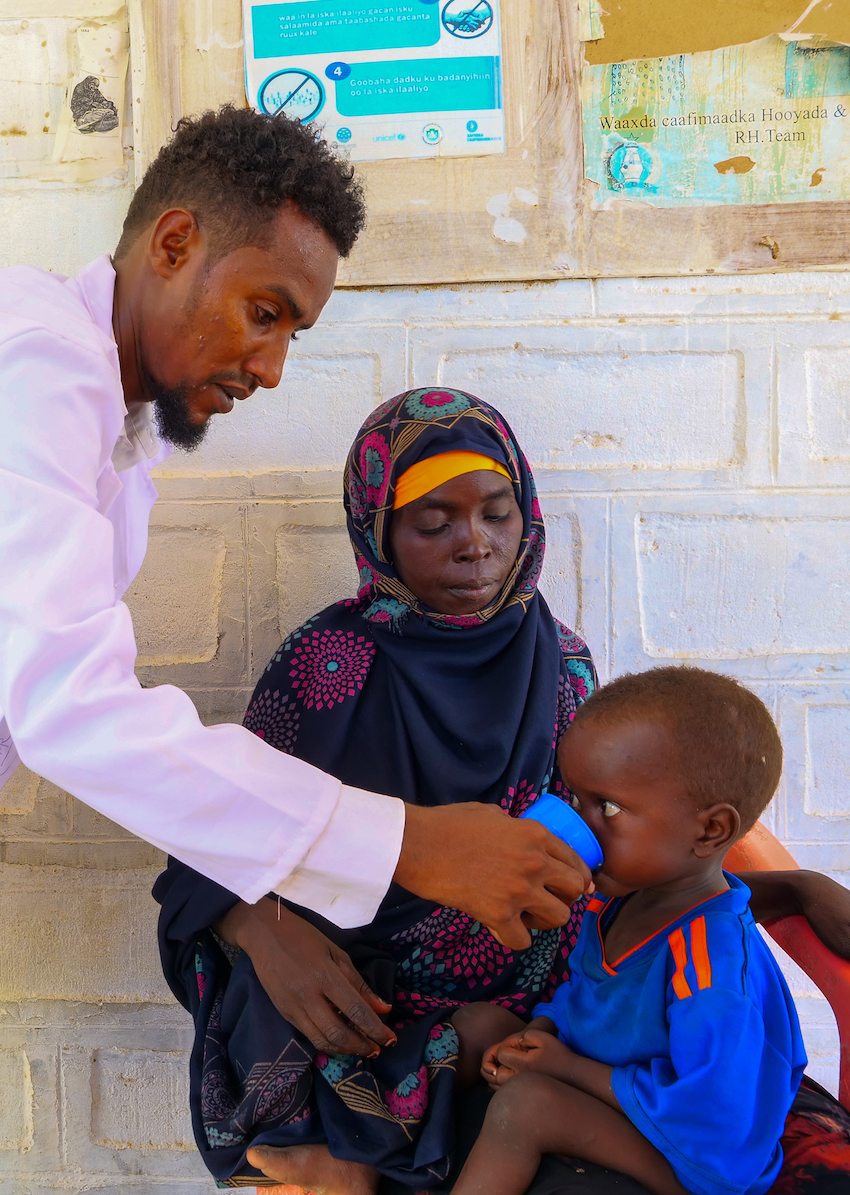
Concern Ethiopia is our longest-running country program, and over more than five decades we’ve seen millions of people transform their lives and the country move towards greater resilience and economic growth. Last year, we reached over 2.2 million Ethiopians in the Amhara, Tigray, and Somali regions with programs focused on health, nutrition, food security, livelihoods, and WASH (water, sanitation, and hygiene). Learn more about our work in Ethiopia.
2. Somalia
- Number of people requiring humanitarian aid: 4.8 million
- Humanitarian response funding required for 2026: $1.43 billion
- Percent of humanitarian response funded in 2025: 24.1%
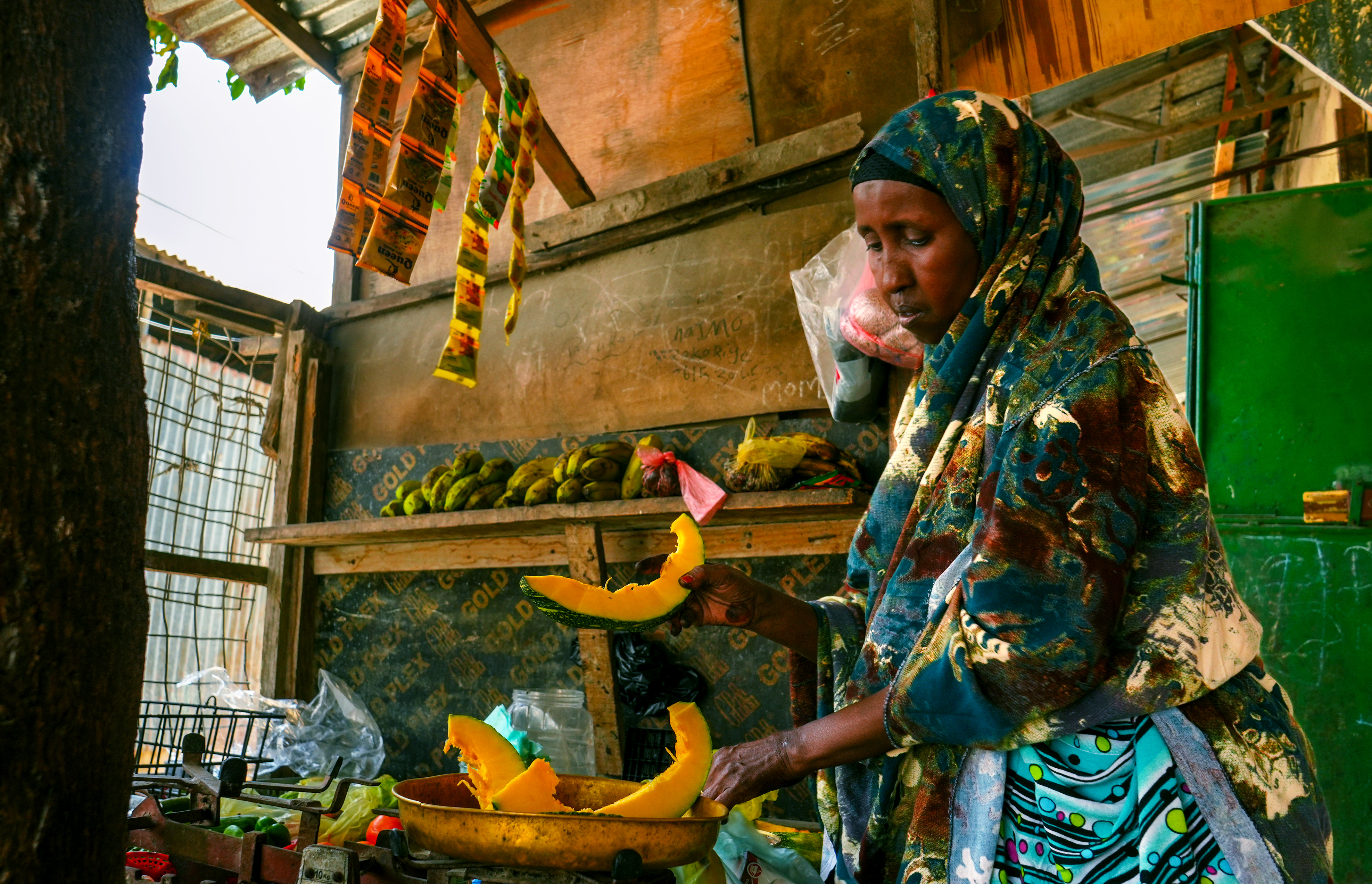
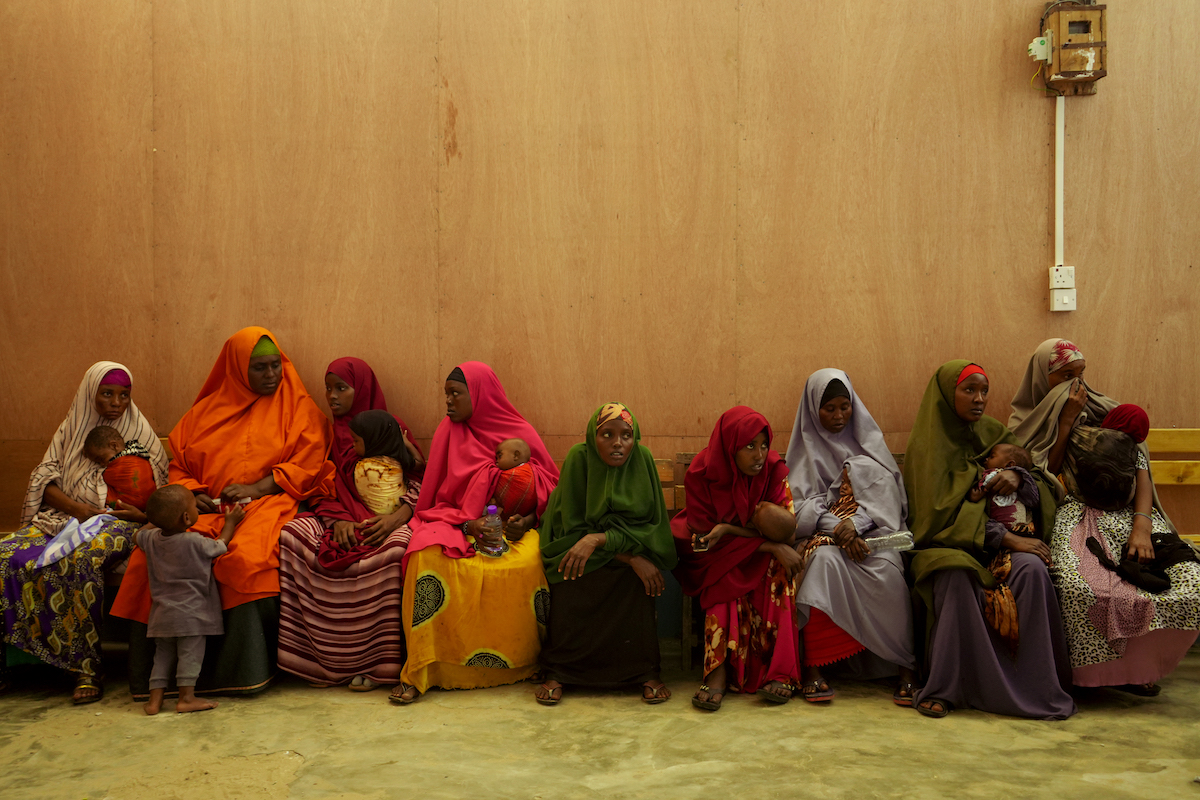
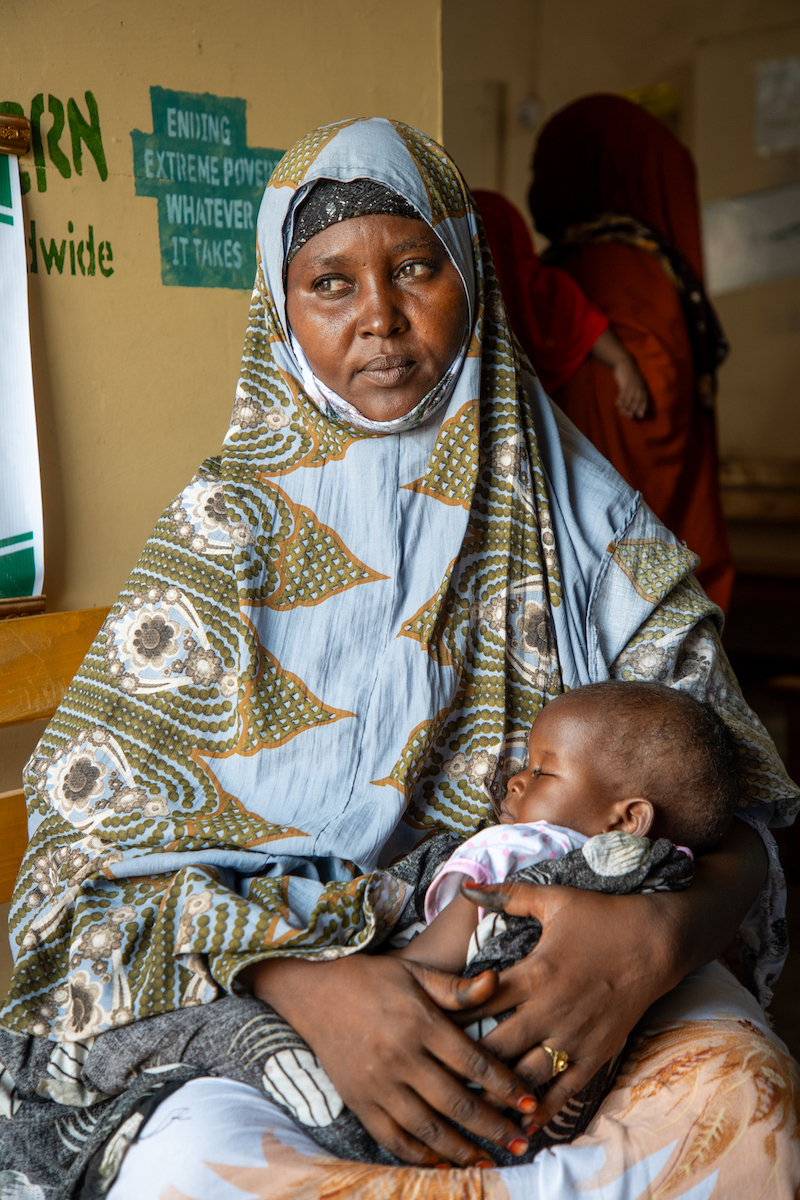
Overlapping crises have plagued Somalia for decades. A scale-up in humanitarian aid in 2022 and 2023 helped to avert catastrophe during the worst of the Horn of Africa drought, but the rains have begun to fail again and drought conditions are expected to continue into 2026. In 2025, Somalia was ranked the hungriest country in the world for the second year in a row on the Global Hunger Index. The situation is exacerbated by decades of conflict and insecurity, which has led to nearly 4 million people internally-displaced — 80% of whom are women and children.
Somalia is also facing cuts in humanitarian assistance, with this year’s response plan (valued at $1.42 billion) receiving less than 25% of the necessary funds to cover the bare minimum of needs.
Concern in Somalia
Our work in Somalia focuses on lifesaving activities to address the humanitarian needs of families affected by drought and conflict, as well as long-term development projects to help people build resilience against future emergencies. As part of our work, we lead the Somali Cash Consortium, which last year responded to 32 emergencies by providing multipurpose cash assistance, distributing over $80 million USD and reaching over 130,000 people in just one year. Learn more about our work in Somalia.
3. Burkina Faso
- Number of people requiring humanitarian aid: 4.4 million
- Humanitarian response funding required for 2026: $662 million
- Percent of humanitarian response funded in 2025: 30.9%
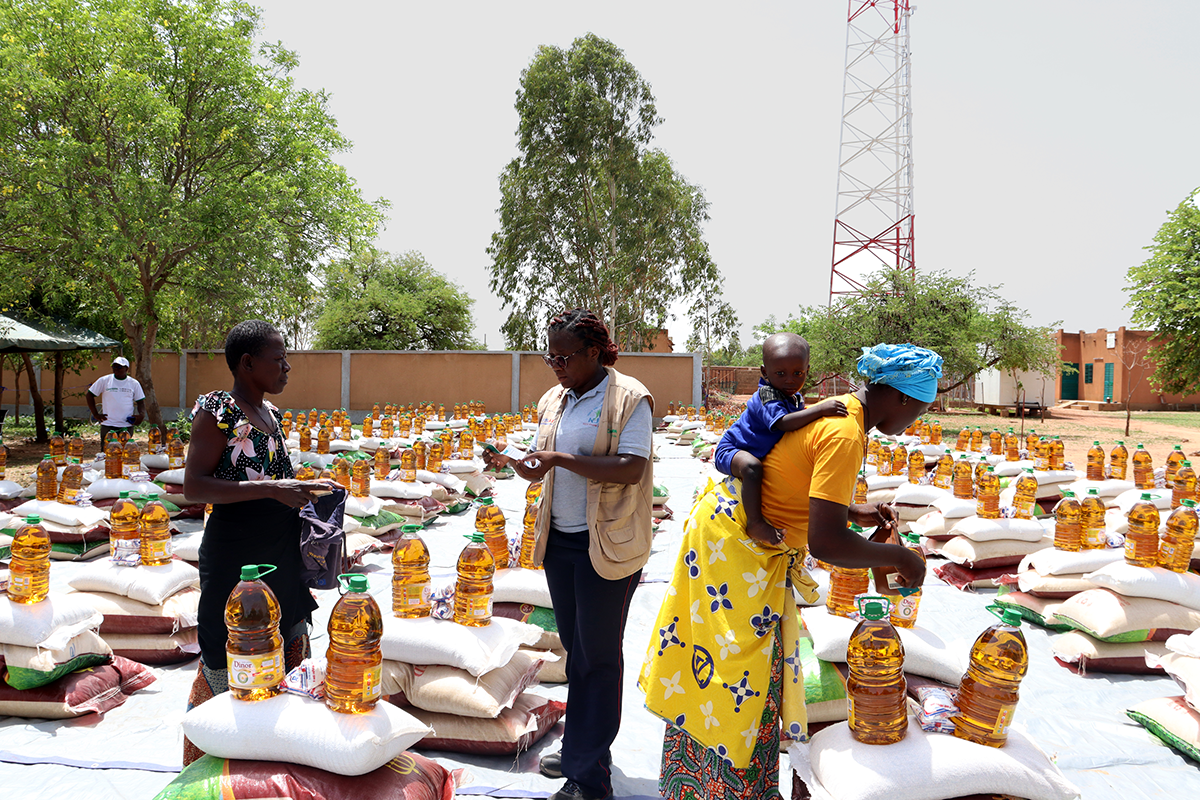
Burkina Faso is facing its worst crisis in history, with 20% of Burkinabè requiring assistance amid escalating regional conflict, political uncertainty, and ongoing displacement. Since 2016, the need for humanitarian assistance in Burkina Faso has more than quadrupled. This year, however, amid even higher calls for assistance, the country saw its lowest funding in nearly a decade, with just 30.9% of the UN’s requested budget met.
» Learn more about the crisis in Burkina Faso
Concern in Burkina Faso
Concern launched a program in Burkina Faso in 2021 in order to respond to the increasing humanitarian needs in the region. Last year, we responded to three complex emergencies in the country, reaching over 60,000 people with integrated solutions that responded to immediate needs while also restoring livelihoods and building resilience. Learn more about our work in Burkina Faso.
4. Niger
- Number of people requiring humanitarian aid: 2.6 million
- Humanitarian response funding required for 2026: $449 million
- Percent of humanitarian response funded in 2025: 21.1%
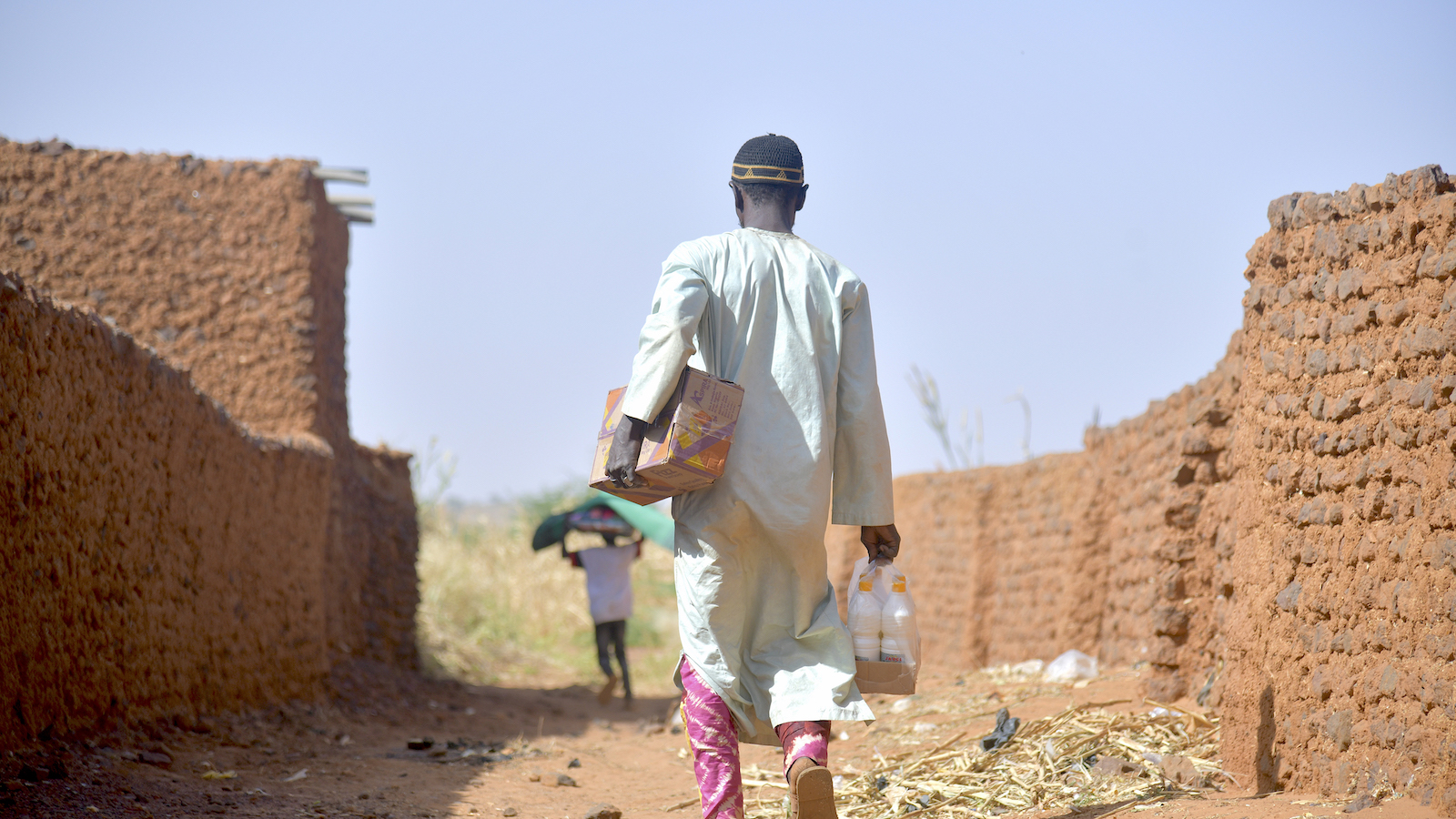
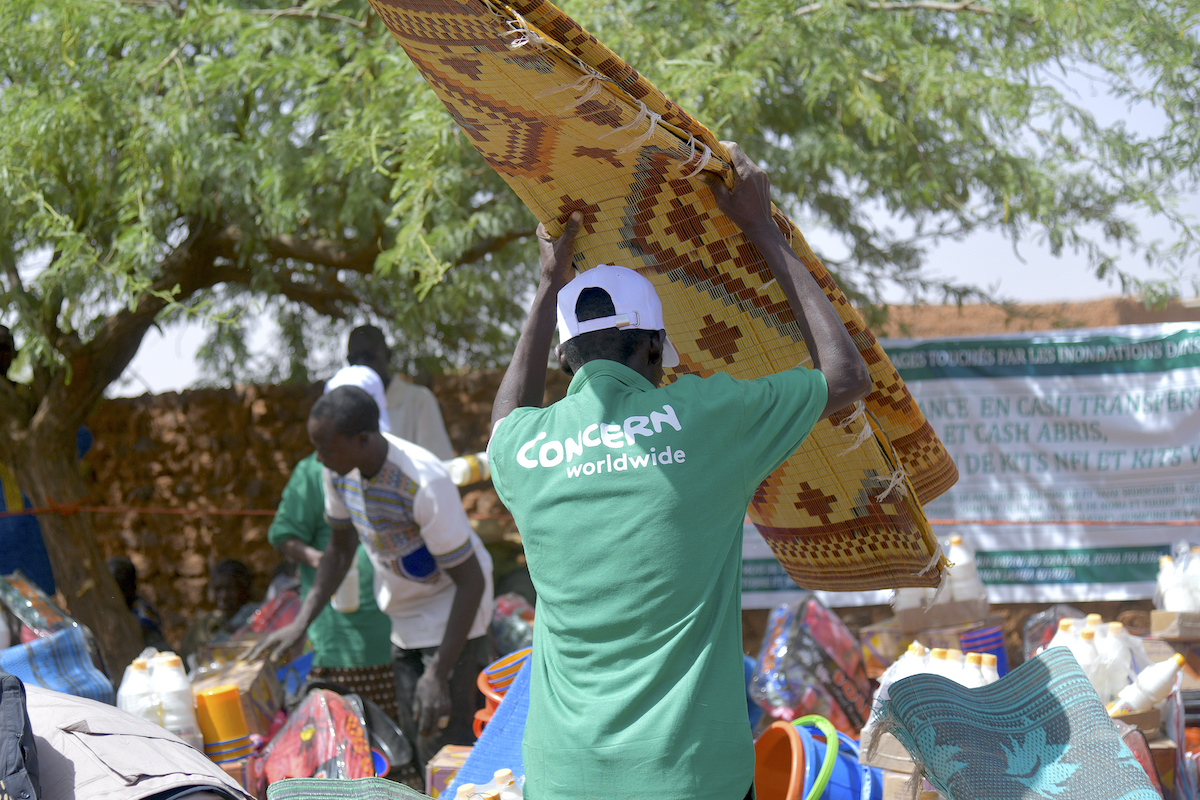
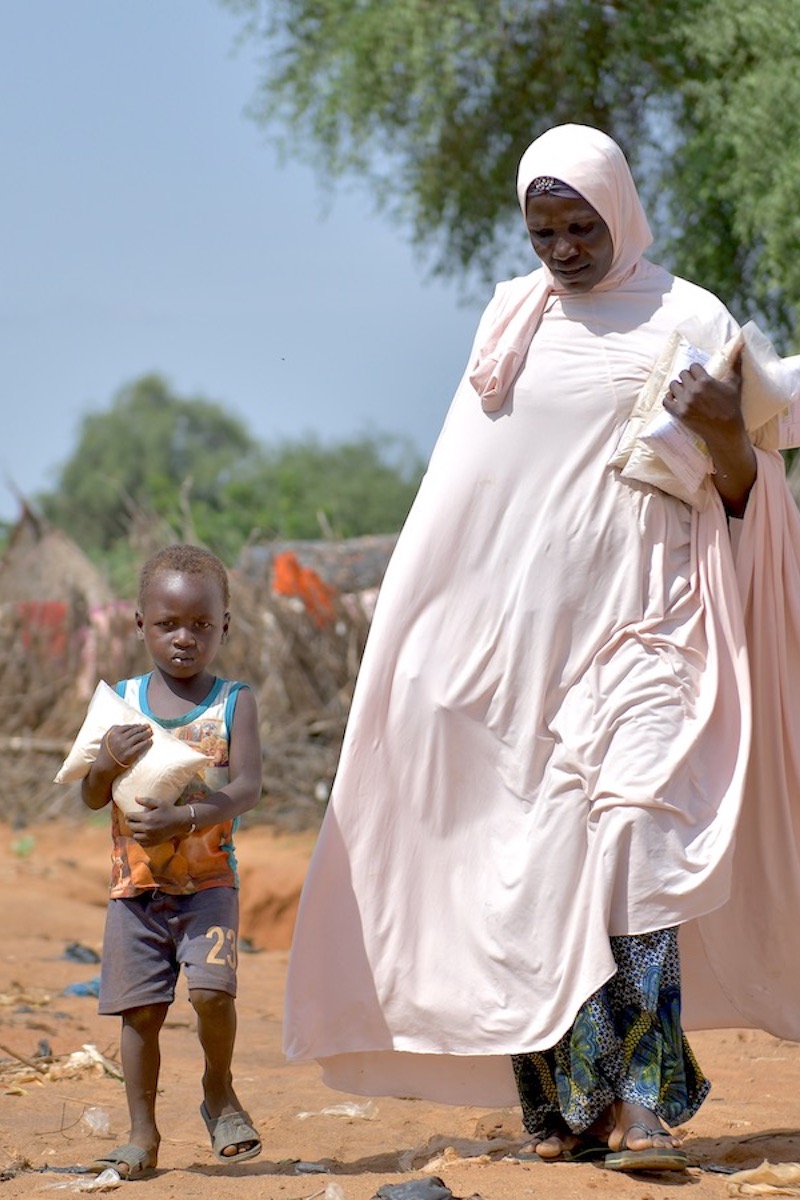
Bordering Burkina Faso, Niger has also faced multiple, overlapping challenges over the last decade, including a 2023 coup d’état and a rise in attacks across the region by non-state groups. These and other factors have led to over 13 million Nigeriens living below the poverty line, and 2.6 million in urgent need of humanitarian assistance. Despite this, 2025’s humanitarian response was just 21% funded and fewer than 1 million Nigeriens reached.
Concern in Niger
For more than two decades, Concern has worked in Niger to deliver both emergency assistance and long-term development support. Some of our current projects in the country focus on education, disaster risk reduction, and health and nutrition. Our Surge approach — which aims to end malnutrition and other health spikes before they start was incorporated into the country’s National Malnutrition Management Protocol in 2023. Learn more about our work in Niger.
5. Rohingya
- Number of people requiring humanitarian aid: 1.9 million
- Humanitarian response funding required for 2026: $698.4 million
- Percent of humanitarian response funded in 2025: 49.7%
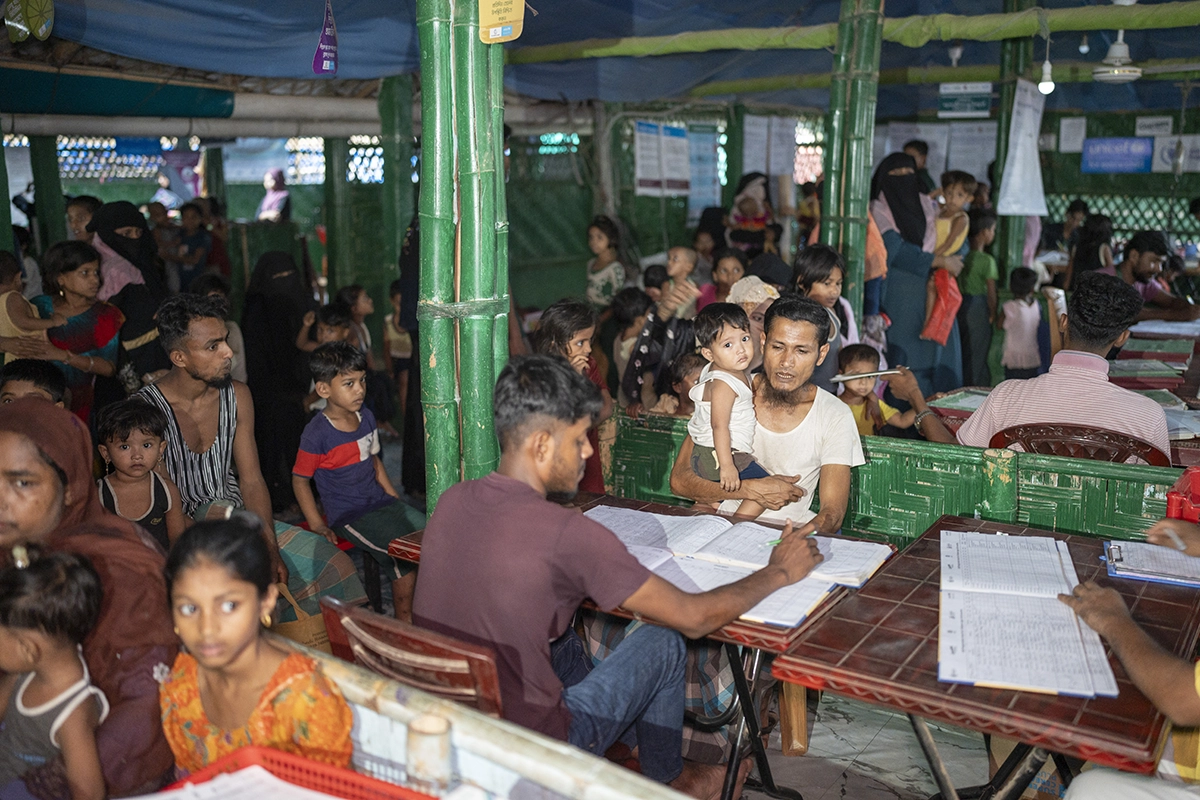
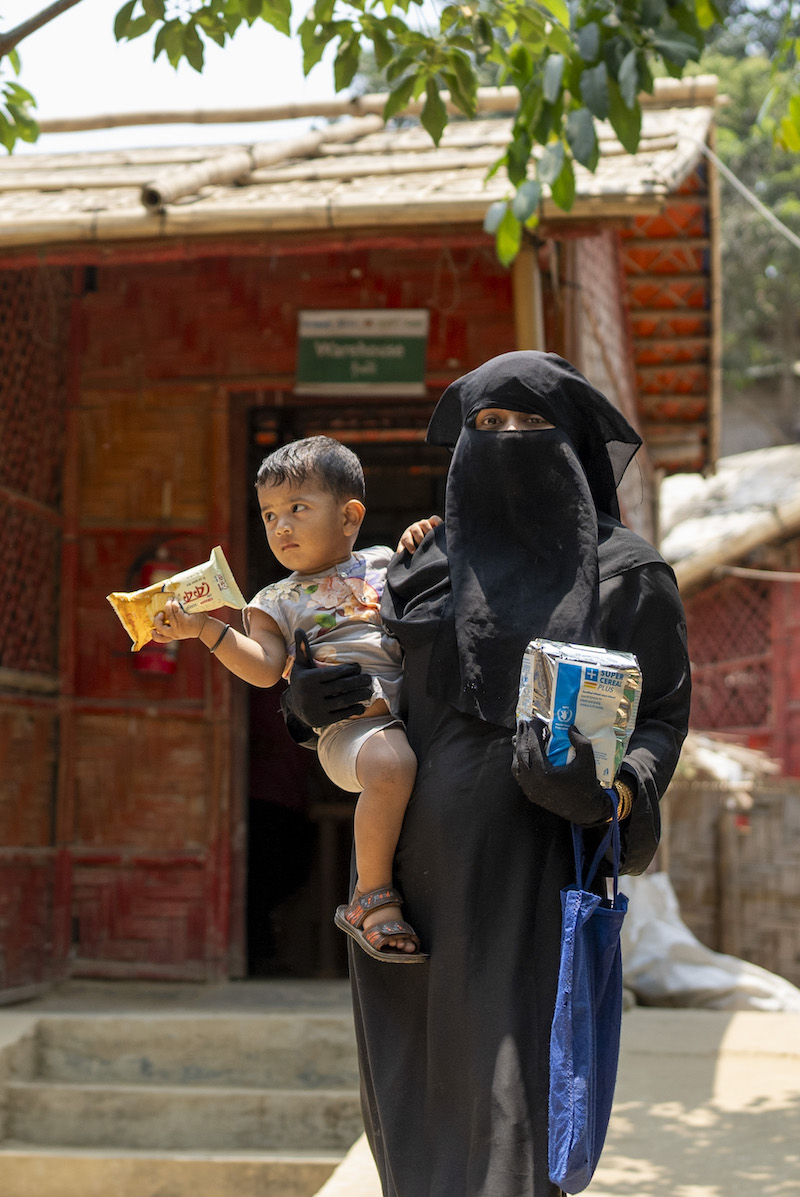
In August 2017, violence in Myanmar escalated, leading to a sudden mass displacement of stateless Rohingya from the country’s Rakine State into Bangladesh, many settling in Cox’s Bazar as part of what is now the world’s largest refugee camp. In 2026, the Rohingya crisis will enter its tenth year, with over 1 million still displaced and living in temporary conditions while struggling to afford basic necessities and services. 75% of those living in Cox’s Bazar are women and children. At the same time, residents in the host community are struggling amid increased pressure on resources.
Concern’s response to the Rohingya crisis
With a long presence in Bangladesh, Concern was among the first organizations to respond to the Rohingya crisis when it began in 2017. Since then, we’ve worked on both immediate and long-term solutions to one of the world’s most complex humanitarian challenges, including regular floods and fires. Last year, we responded to seven disasters throughout the camps, and reached over 137,000 individuals through our integrated nutrition program, run in partnership with 18 nutrition centers in the camps.
6. Central African Republic
- Number of people requiring humanitarian aid: 2.3 million
- Humanitarian response funding required for 2026: $264.2 million
- Percent of humanitarian response funded in 2025: 37%
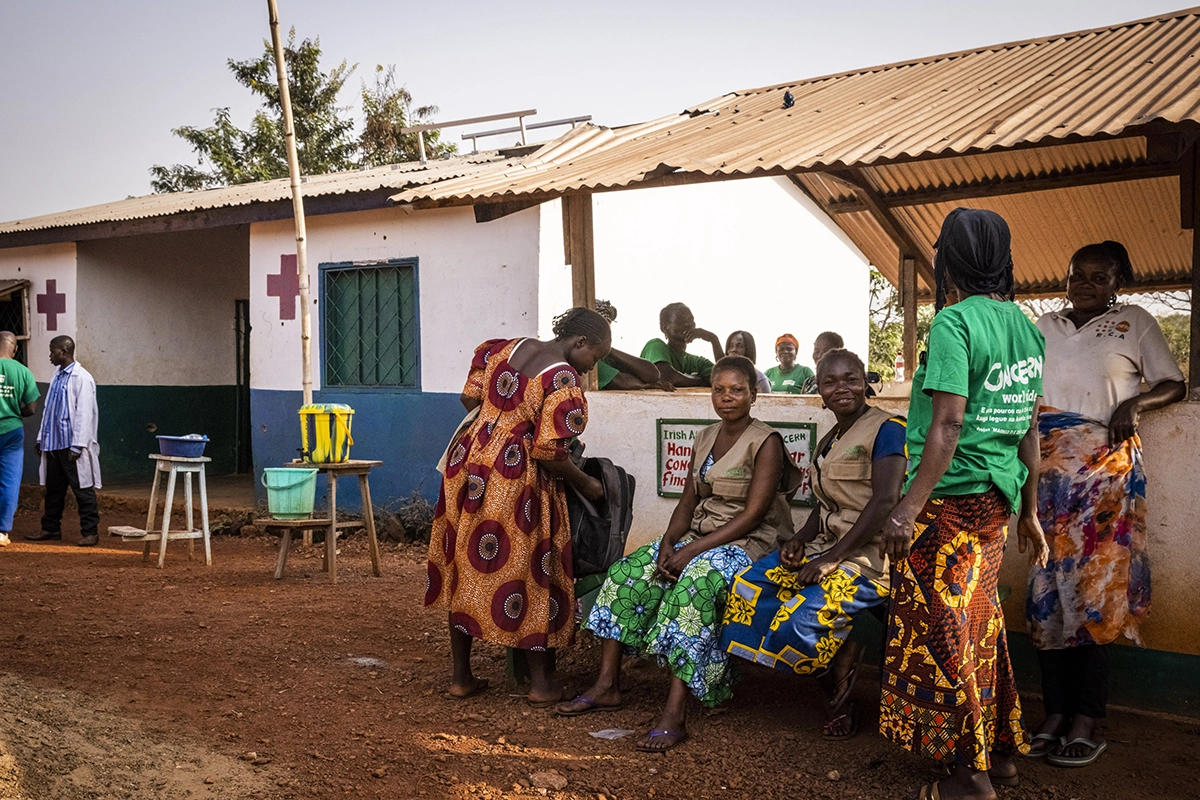
The Central African Republic is emerging from nearly a decade of civil conflict. As the UN notes, progress towards peace has been steady and tangible, especially in the last few years, with the number of people in need of humanitarian assistance down by 1 million from 2023. However, ongoing instability and tensions in certain areas, combined with a long road to recovery, means that the work is far from done. In 2026, 2.3 million Central Africans will require assistance — only a slight drop from this year’s figures. At the same time, the country was not spared the global cuts in foreign assistance this year, with the 2025 response plan just 37% funded. For comparison, 2024’s plan was 66% funded.
» Learn more about the crisis in the Central African Republic
Concern in Central African Republic
Concern has been working in the Central African Republic since 2014, responding to the current crisis with programs that address both humanitarian aid and long-term development goals. Last year, we reached over 66,000 people with programs that specifically focused on building food security through improving livelihoods. Learn more about our work in the Central African Republic.
7. Pakistan
- Number of people requiring humanitarian aid: 2.8 million
- Humanitarian response funding required for 2026: $64.9 million
- Percent of humanitarian response funded in 2025: 11.5%
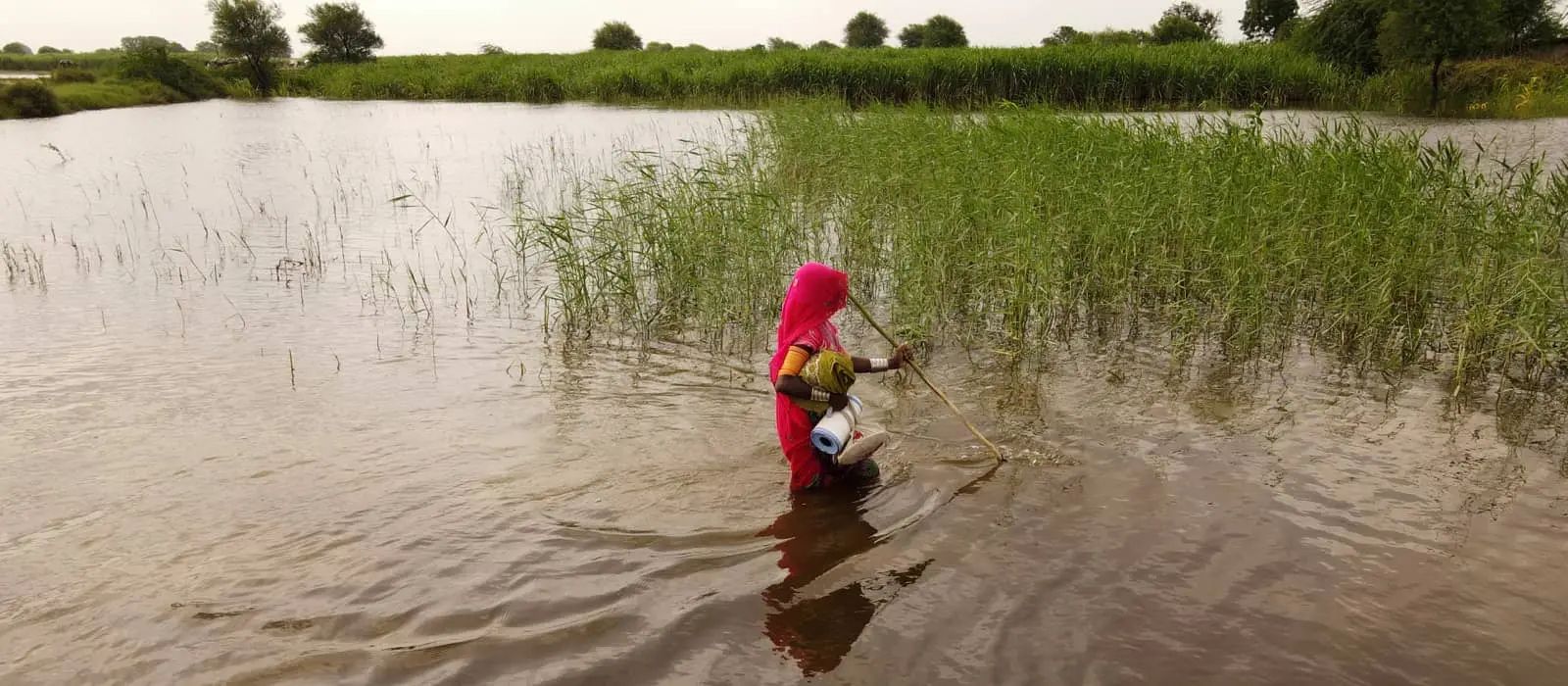
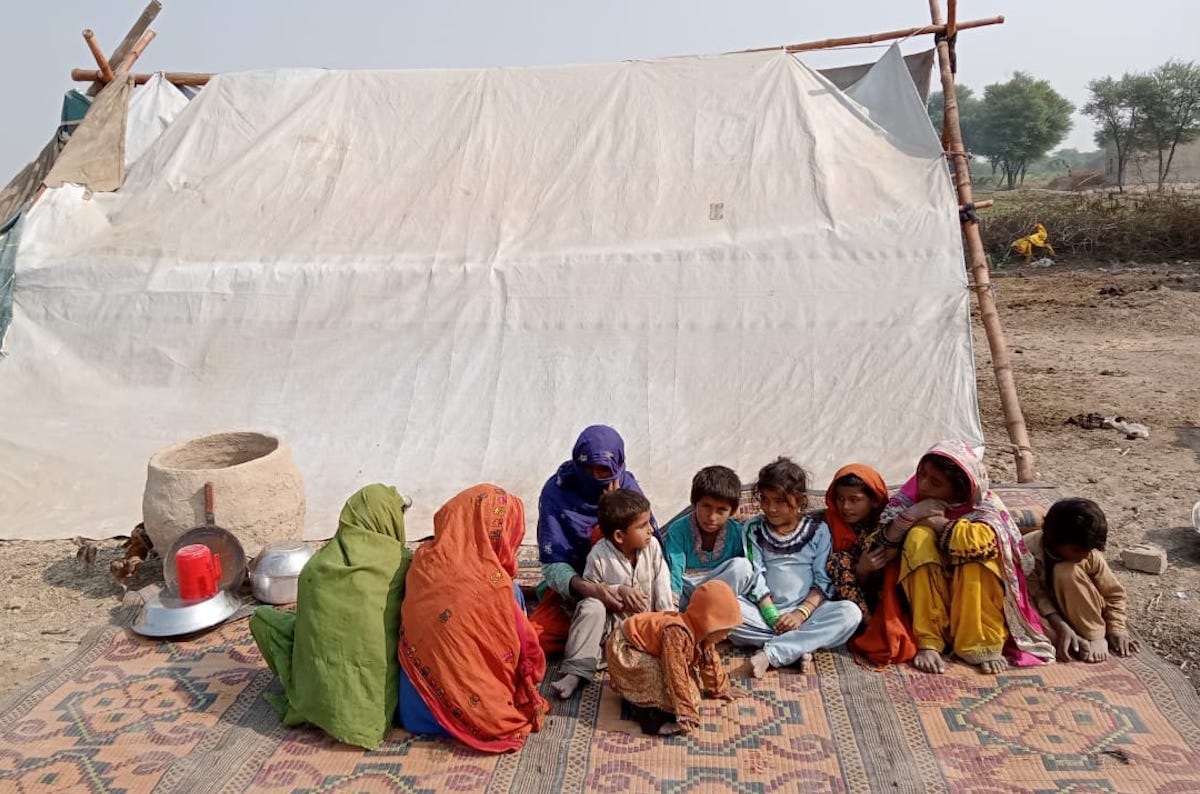
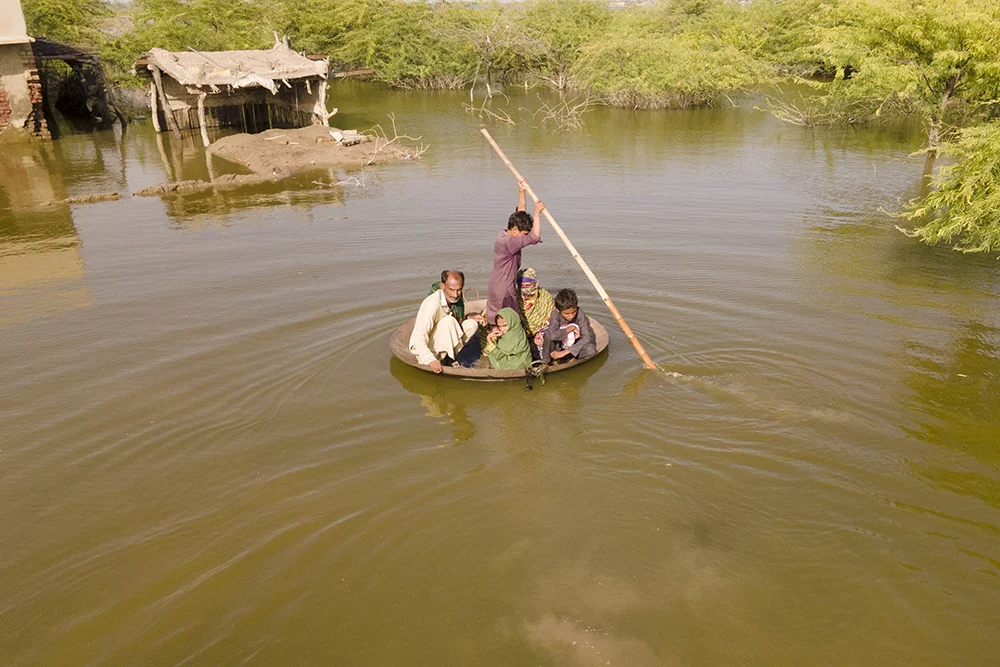
In 2022, catastrophic floods in Pakistan affected some 33 million people and caused approximately $40 billion in damage. While the need has gone down significantly in recent years, there are still nearly 3 million people who need assistance amid ongoing natural disasters — including another major flood season in 2025. The country is also host to more than 3 million displaced Afghans, many of whom have lived there for generations and who are struggling to meet basic needs. The UN has requested $64.9 million in humanitarian funding for 2026. This year, however, it received less than $10 million in funds — 11.5% of its projected budget.
Concern in Pakistan
Next year will mark a quarter of a century for Concern’s programs in Pakistan, where we respond to emergencies, implement development programs, and work with displaced Afghan communities. Last year, we responded to both new flood emergencies and worked on long-term recovery for the 2022 floods, reaching over 753,000 people. We have also been responding to this year’s floods with frontline supplies. Learn more about our work in Pakistan.
Concern’s humanitarian and emergency response
Emergency response is part of Concern’s DNA. Last year alone, Concern responded to 50 emergencies in 22 countries, reaching 16.8 million people. Not each of these emergencies was a full humanitarian crisis, but many of them represent smaller shocks that set many people further and further behind in the middle of a larger crisis. In each context our goal remains the same: fulfill our humanitarian mandate.
When an emergency strikes, we seek out the most vulnerable and hardest-to-reach communities to meet their immediate needs, and work with them to design innovative, fast and effective responses. We stay with them to help rebuild their lives and to ensure that they are better able to cope with future crises. Your support allows us to do this vital work.