Which countries are taking in the most refugees in 2025?
Jul 2, 2025
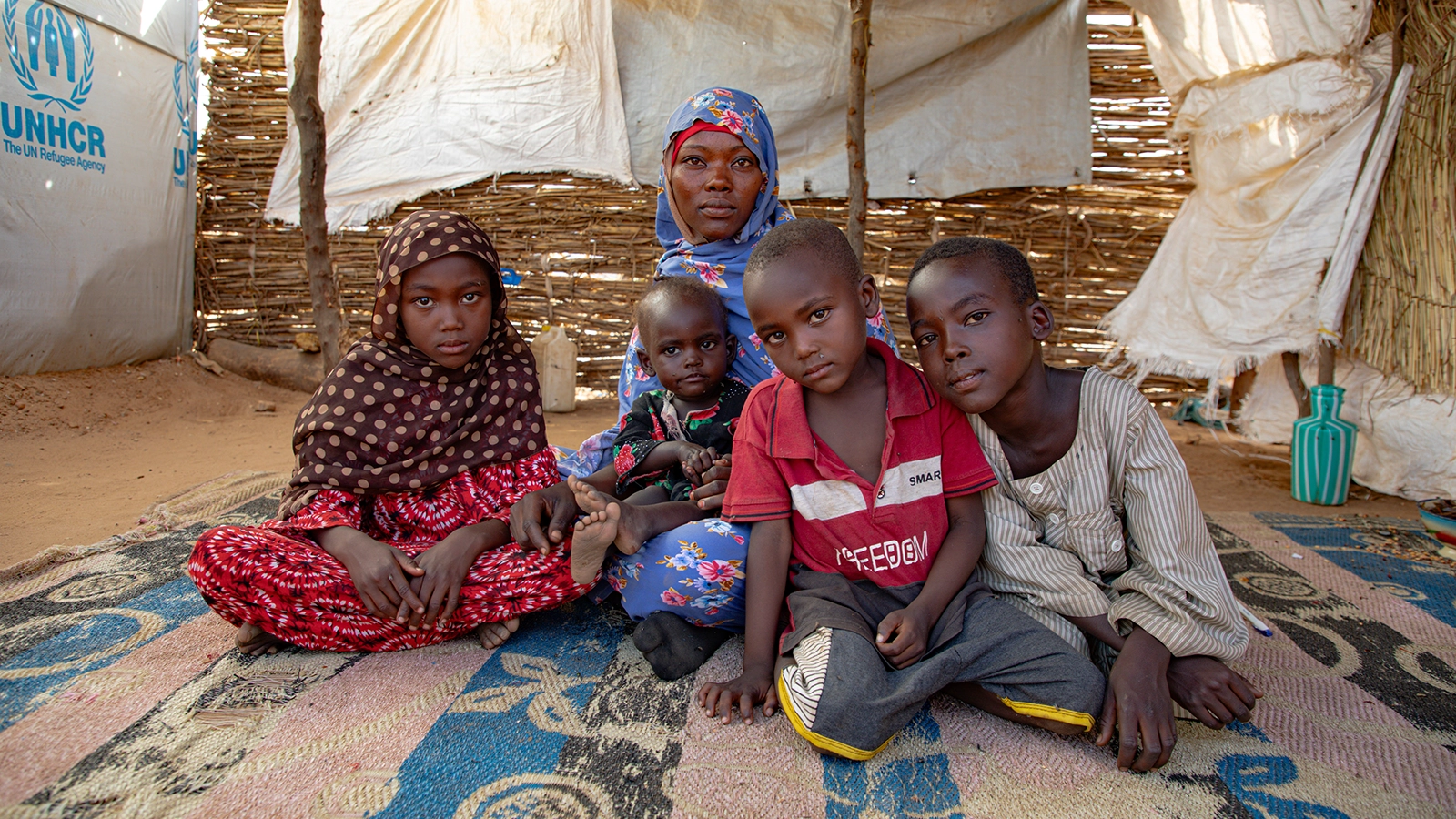
Where do most refugees go once they've fled? In most cases, they seek asylum in the closest neighboring country.
In the past decade, the global refugee population has more than doubled, with 36.8 million refugees recorded by the United Nations High Commissioner for Refugees in June 2025.
In most cases, people affected by the world’s largest refugee crises take shelter in neighboring countries. Based on UNHCR data, here are those ten countries as we enter 2025, as well as some of the challenges faced in some of those communities, and how Concern is responding.
10. Sudan
Sudan is one of the world’s largest refugee crises and, as of 2025, also once again one of the world’s largest countries for refugees. Of the 793,000 refugees currently in the country, over 613,000 are from neighboring South Sudan. 108,000 are from Eritrea, over 49,000 are from Ethiopia, and an additional 10,000 are from the Central African Republic. Sudan also hosts nearly 10,000 Syrian refugees.
» Learn more about Concern’s work in Sudan
9. Bangladesh
Many of the 1 million refugees currently living in Bangladesh are stateless Rohingya, who began seeking asylum en masse in 2017 after violence broke out in Myanmar’s Rakhine State. In that time, the city of Cox’s Bazar has become home to the world’s largest refugee camp, which in turn has been hit hard in the last seven years by fires, floods, and outbreaks. As insecurity continues in Myanmar, more nationals have also sought asylum in Bangladesh.
Concern has been in Bangladesh for over 50 years, working with both refugee and host communities, and was among the first to respond to the Rohingya crisis.
» Learn more about Concern’s work in Bangladesh
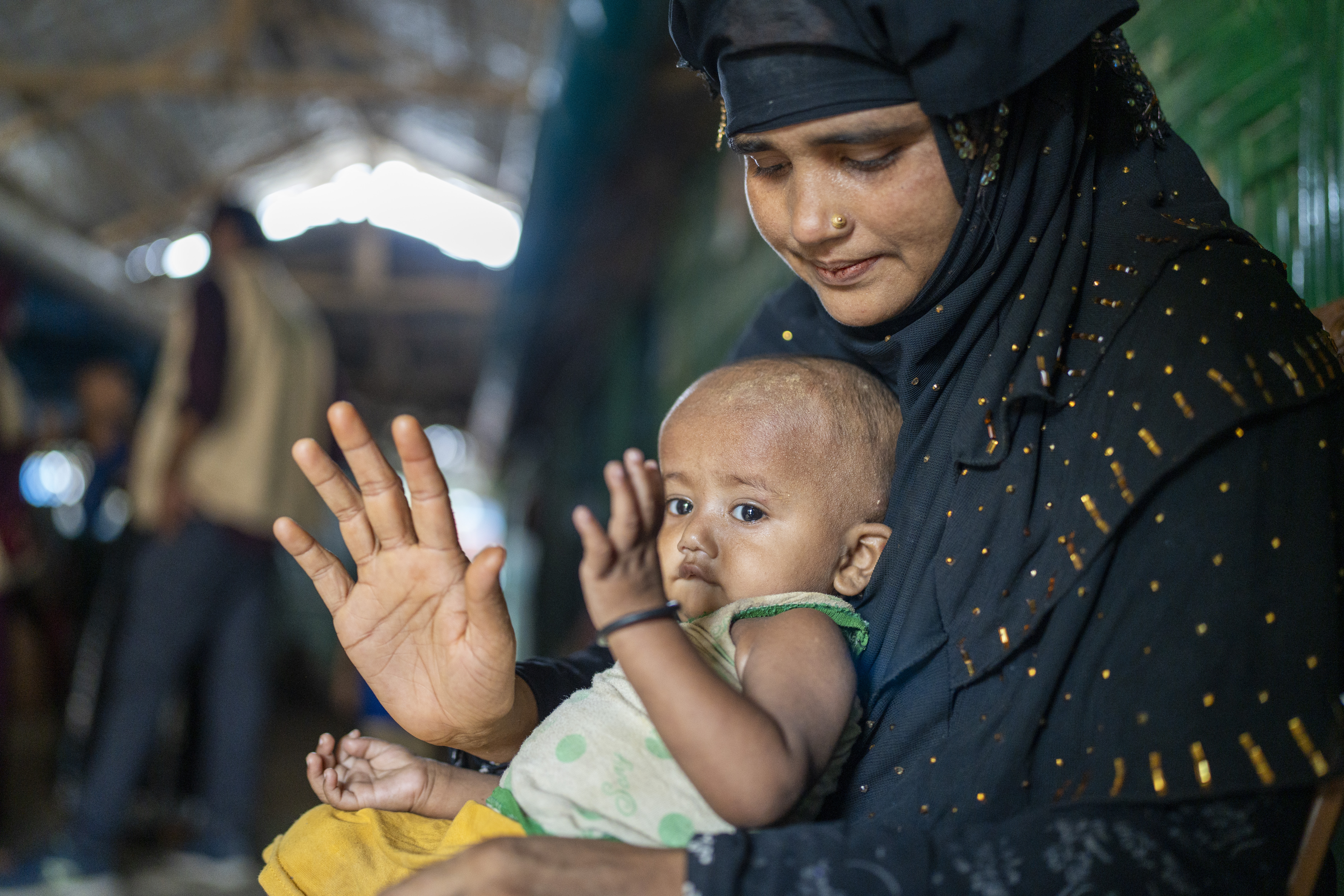
8. Ethiopia
Ethiopia is host to over 1 million refugees, 42% of whom have escaped conflict in nearby South Sudan. Nearly 32% are from Somalia. (An additional 90,000 refugees here are from Sudan.) Most live in 24 refugee camps established in five of the country’s 12 regional states, though a small percentage live in the country’s capital of Addis Ababa.
» Learn more about Concern’s work in Ethiopia
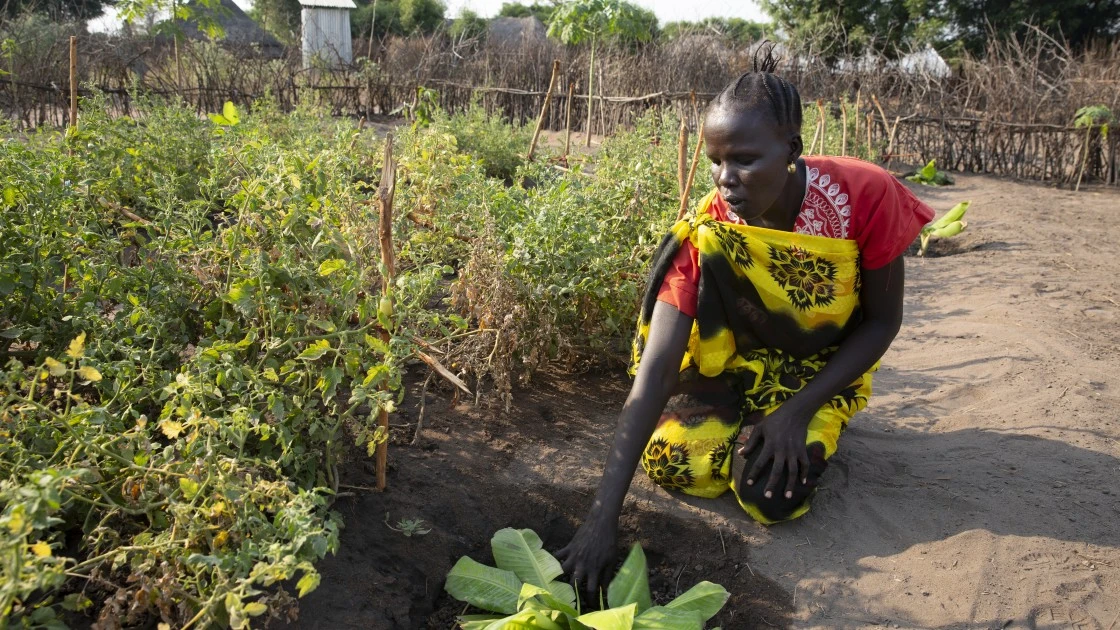
7. Poland
Poland became a leading host community for refugees beginning in 2022 with the escalation of conflict in Ukraine. In 2025, the country is hosting just 1 million refugees, over 991,000 of whom are from Ukraine. It also has over 10,000 refugees from Belarus.
6. Chad
Chad’s refugee population nearly doubled in 2023 with the onset of the crisis in Sudan. Today, of the nearly 1.28 million refugees hosted in the Sahelian country, over 1.1 million are from Sudan. An additional 137,000 have also sought refuge from the Central African Republic.
Owing to the overnight surge of Sudanese refugees last year, the asylum process begins with border camps for initial arrivals, with the UNHCR working to process applications as quickly as possible so civilians could be relocated to one of 16 camps. Funding is of the utmost importance to accommodate the overcrowded and under-resourced sites, especially as we enter 2026.
» Learn more about Concern’s work in Chad
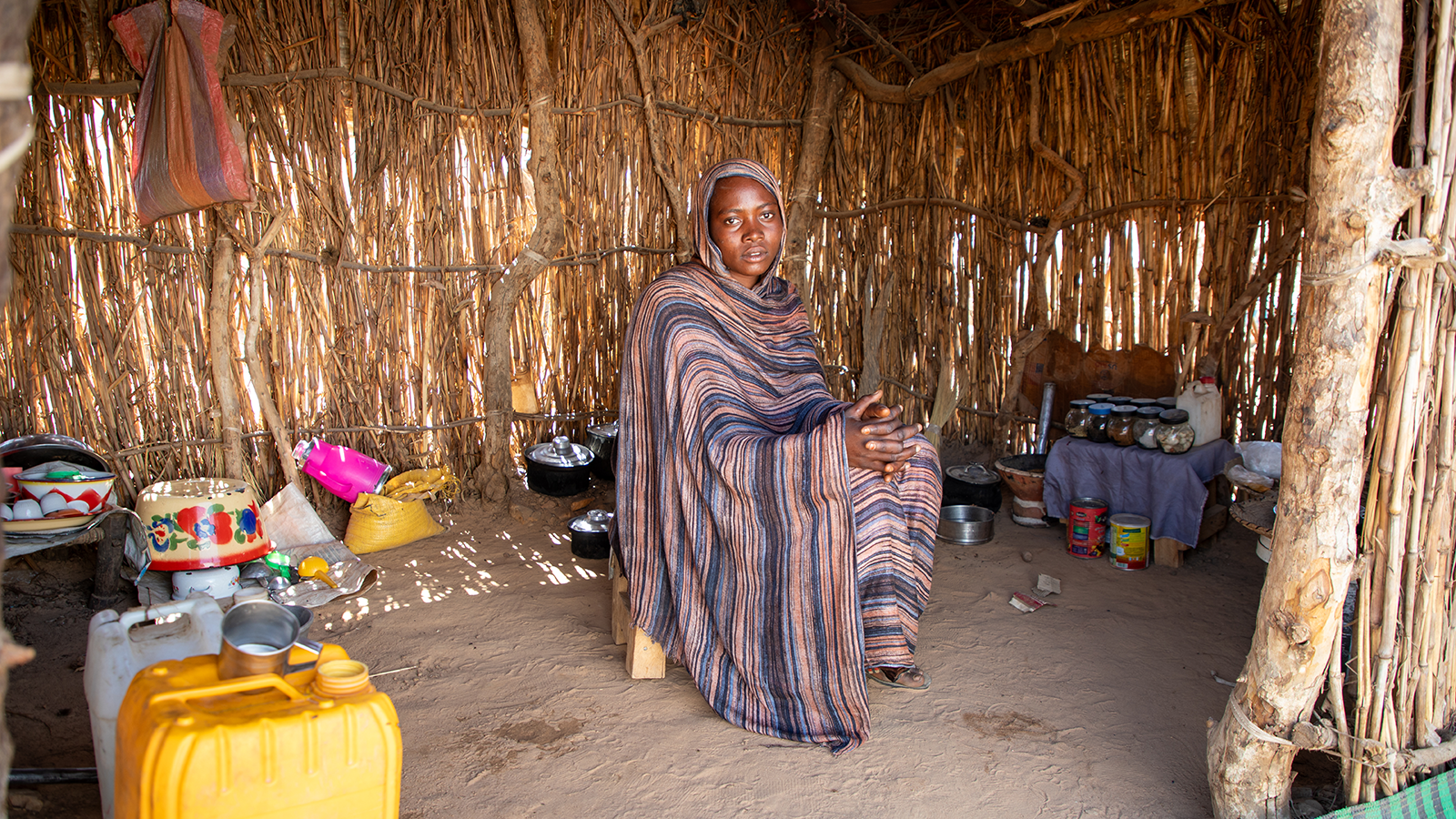
5. Pakistan
Pakistan is host to approximately 1.56 million refugees, almost all of whom (1.55 million) are from Afghanistan. Many have lived in the country for decades in the wake of the Soviet-Afghan War (1979-1989). Another influx came in 2001. The protracted nature of these displacements has led to many families living in compromised circumstances for generations. The fate of many Afghans still in Pakistan remains unclear; a repatriation order in 2023 set to go into effect this year had been delayed until June 30, 2025.
» Learn more about Concern’s work in Pakistan
4. Uganda
Policymakers in Uganda have shaped and reshaped policy in recent years around providing safe and dignified shelter for an increasingly large refugee population that has grown from from 477,000 in 2015 to nearly 1.76 million in 2025. Over half (some 975,000) are from South Sudan, while an additional 30% (557,000) are from the Democratic Republic of the Congo.
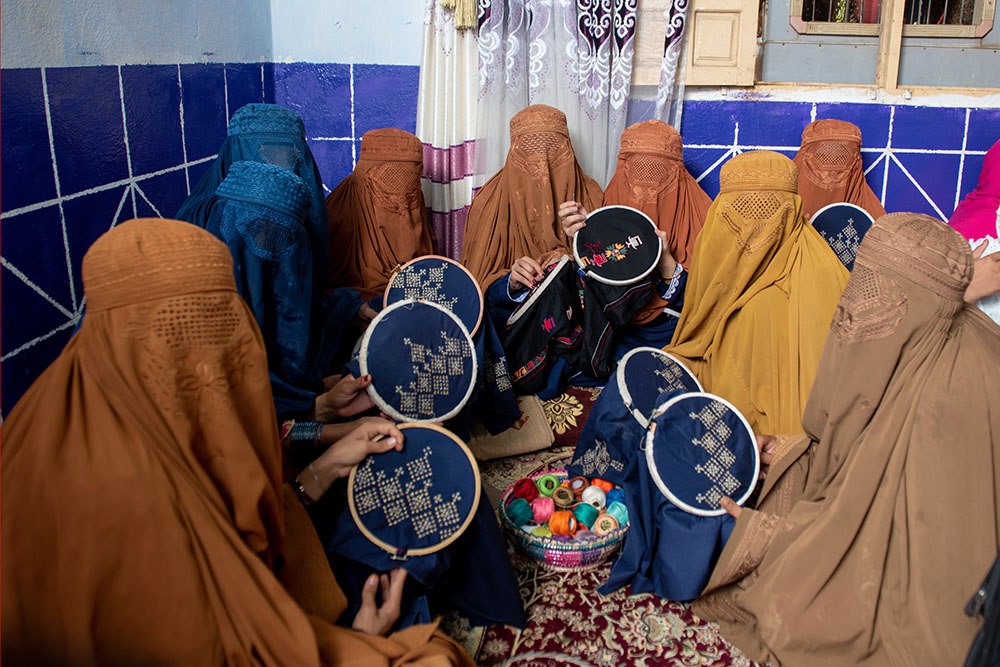
3. Germany
In recent years, out of the top countries that take in the most refugees, Germany was the only high-income country on the list. This changed in 2022 with the escalation of conflict in Ukraine, which nearly doubled Germany’s refugee population in less than a year. In 2025, it sits at just under 2.75 million. Of that, 1.2 million are from Ukraine, with an additional 725,000 from Syria, 279,000 from Afghanistan, and 138,500 from Iraq.
2. Türkiye
Over 2.94 million refugees are currently being hosted in Türkiye. The majority (2.9 million) are Syrians under temporary protection, most of whom live in host communities although still at bare-minimum conditions. Türkiye also has a significant number of refugees from Iraq (just over 14,000) and Afghanistan (just over 14,100).
1. Iran
In 2022, Iran re-classified its refugee system, which led to a major increase in legally-documented refugees (840,000 to over 3 million), though many had been living in the country for some time. Today, nearly 3.5 million refugees are hosted in the country, nearly all from neighboring Afghanistan.
Concern’s work with refugees
Concern’s response to the global displacement crisis is in keeping with UN frameworks. We focus on working with host communities to ease pressure on resources, while also working with refugees to build their own self-reliance and resilience even in difficult circumstances.
Last year alone, Concern responded to 45 emergencies in 22 countries, reaching 15.6 million people with urgent necessities such as shelter, psychosocial support, healthcare, and food as well as longer-term livelihoods trainings that benefit both displaced and host communities.